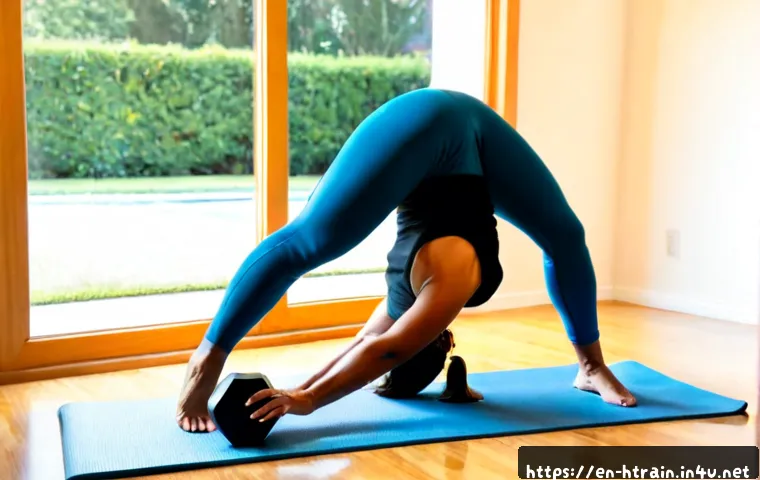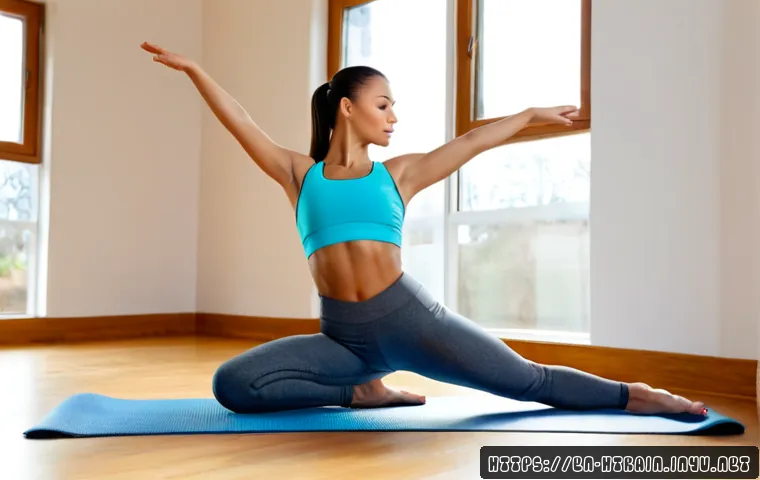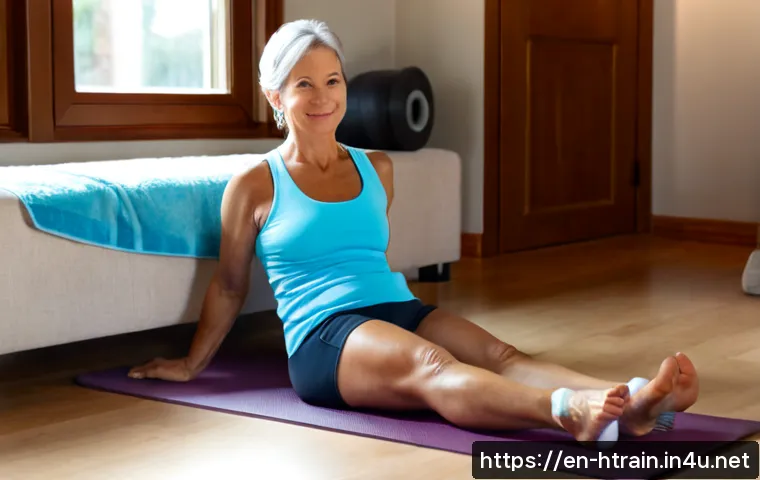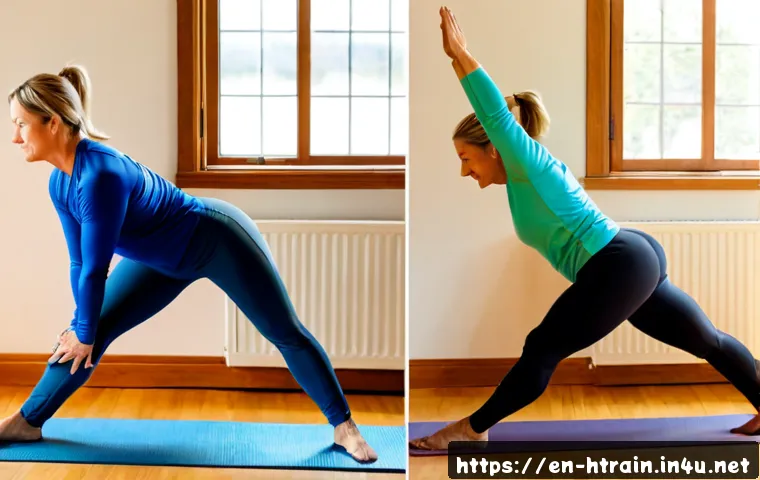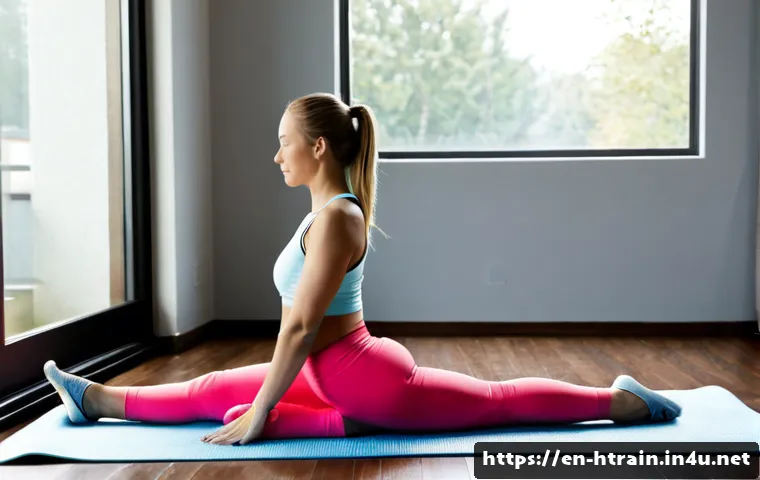
Stretch after a home workout once your breathing has settled, using slow holds that create mild tension—not pain. Stop rather than push through sharp, burning, numb, or worsening sensations.
The best stretches depend on the session you just completed, with hips and hamstrings often relevant after lower-body work and chest and shoulders after upper-body training.
A short walk or gentle movement first can make the transition from exercise to a calmer cool-down feel more controlled. Free videos may be enough for a simple routine, while a mobility app, basic yoga accessories, or a physiotherapy assessment can suit different guidance and recovery needs.
The goal is not to force flexibility; it is to build a repeatable recovery habit that fits your body and training.
At a Glance
- Use slower, sustained stretches after activity intensity has decreased and your body is still warm.
- Feel mild tension, breathe steadily, and avoid bouncing or forcing a deeper position.
- Pause self-guided stretching and seek qualified advice for persistent pain, swelling, weakness, tingling, or loss of movement.
| Recovery Option | Best For | What to Compare |
|---|---|---|
| Free video routines | People who need a basic post-workout stretching sequence | Clear demonstrations, workout-specific options, and a pace you can follow safely |
| Mobility or stretching apps | People who want regular prompts and guided plans | Guidance level, available routines, subscription terms, and whether the program fits your training |
| Yoga mat and simple accessories | Home exercisers who want comfort and better positioning | Available space, stable surface, grip, and whether a strap or block supports your range comfortably |
| Physiotherapy support | People with concerning or persistent symptoms | Injury history, changes in movement, symptom severity, and the need for an individual assessment |
What to Do in the First Minutes After a Home Workout
After a demanding home workout, do not drop immediately into your deepest stretch. Start by letting your effort level come down, then use calm, controlled positions for the areas you trained. A cool-down should feel manageable, not like another challenge at the end of the session.
A Quick Cool-Down Before You Hold Any Stretch
A brief walk around the room, easy marching, or other gentle movement can help you transition from vigorous exercise before longer holds. This is especially useful after circuits, intervals, dance workouts, or strength sessions that leave you breathing hard. Once your breathing is steadier, choose a few muscle-specific stretches rather than trying to stretch every part of your body.
The Difference Between Comfortable Tension and Pain
A post-workout stretch may feel like a mild pull or tightness in the target muscle. It should not feel sharp, burning, numb, or increasingly painful. Do not treat discomfort as proof that a stretch is working. Keep breathing steadily, ease out when needed, and avoid trying to “win” a bigger range of motion.
A Simple 5-Minute Post-Workout Sequence
Begin with gentle movement, then select a small number of positions based on the workout. After lower-body work, you might focus on calves, thighs, hips, and glutes. After upper-body work, chest, shoulders, upper back, and forearms may deserve more attention. Hold each position calmly, without bouncing, and move on if a position does not feel right for your body.
Match Your Stretches to the Workout You Just Finished
The most useful home stretching routine is usually the one that matches what you actually trained. This keeps the cool-down focused and makes it easier to repeat after future workouts. If a muscle group was not working hard, it does not need to take up much of your limited recovery time.
Lower-Body Sessions: Calves, Quads, Hamstrings, Glutes, and Hip Flexors
Squats, lunges, step workouts, lower-body strength sessions, and indoor cardio often leave the legs and hips feeling worked. Consider gentle stretches for the calves, quadriceps, hamstrings, glutes, and hip flexors. Use a wall, chair, or other stable household support if balance is a concern. A yoga mat can make floor-based positions more comfortable, but it is not required.
Upper-Body Sessions: Chest, Shoulders, Upper Back, and Forearms
Push-ups, resistance-band sessions, dumbbell workouts, and bodyweight circuits can make the chest and shoulder area feel tight. Gentle chest-opening positions, shoulder stretches, upper-back movements, and forearm stretches can fit this type of cool-down. Keep the neck relaxed and do not force the arms into a position that creates pain, tingling, or numbness.
Full-Body Cardio, Pilates, and Low-Impact Training Options
After full-body cardio, Pilates, or low-impact training, use a broader but still simple routine. Gentle movement followed by a few positions for the legs, hips, chest, shoulders, and upper back may be enough. A guided mobility routine can be convenient here because it can provide a calm sequence without requiring you to decide on every stretch while tired.
Recovery Options Compared: Free Routines, Apps, Equipment, and Professional Support
Recovery tools can support consistency, but no purchase removes the need to listen to symptoms. The right option depends on how much guidance you need, how much home space you have, and whether you are dealing with ordinary tightness or a problem that needs assessment.
What a Free Routine Can Realistically Provide
Free stretching videos and written routines can offer a straightforward place to start. They can help you learn a basic cool-down flow and discover which movement styles you enjoy. However, a general routine cannot determine whether a specific painful area is safe to stretch, nor can it tailor the plan to your medical history or movement limitations.
When a Mobility App or Guided Program May Add Value
A paid mobility app or guided stretching program may suit people who want reminders, organized routines, and a clearer habit structure. It can be helpful when choosing stretches feels like a barrier to getting started. Before subscribing, compare the guidance style, routine variety, available equipment options, space requirements, and subscription details. A paid program is not automatically better for every beginner.
Which Basic Tools Are Useful Versus Unnecessary
A non-slip yoga mat can improve comfort on hard floors. A strap may help you reach a position without aggressively rounding or pulling, while a block can provide support in certain floor positions. These accessories should make a stretch more controlled, not turn it into a deeper or more painful challenge. Massage devices and other recovery equipment may appeal to some users, but they are not a requirement for a sensible home cool-down.
When a Physiotherapy Evaluation May Be Worth the Cost
Consider a qualified physiotherapy assessment when symptoms persist, movement is limited, or you have swelling, weakness, tingling, or pain that does not seem manageable. Professional support may also be more appropriate if you are unsure whether a sensation is normal post-exercise soreness or something else. An individual assessment can address details that a general app or online routine cannot confirm.
Common Cool-Down Mistakes That Can Make You Feel Worse

Post-workout stretching should lower the intensity of your session, not extend it with another hard effort. A few common habits can make the experience less comfortable and less controlled.
Stretching Cold, Rushing, or Forcing a Deeper Range
Static stretching is commonly used after exercise when muscles are warm and activity intensity has decreased. Rushing straight into a deep position can make it harder to notice your body’s signals. Start gently, settle your breathing, and choose a range that you can maintain without straining.
Bouncing Through Tight Muscles
Bouncing can make a stretch less controlled. Instead, move into a comfortable position and breathe steadily. If you want to adjust, do so slowly. Dynamic movements are generally more suitable for warm-ups, while slower sustained stretches often fit the cool-down.
Ignoring Sharp Pain, Tingling, Swelling, or Weakness
Do not stretch through sharp pain, numbness, tingling, swelling, weakness, or a worsening sensation. These signs are not a cue to push harder or buy a stronger recovery tool. Persistent symptoms or loss of movement warrant assessment by a qualified healthcare professional.
Build a Routine That Fits Your Time and Training Level
A useful routine is one you can do consistently after realistic workouts. Build the plan around your available time and the areas you trained, rather than copying a long routine that does not fit your day.
A 5-Minute Option for Busy Days
Take a brief easy walk or use gentle movement first. Then choose a few stretches for the main muscles used in your workout. For example, after a short lower-body session, focus on the calves, thighs, hips, and glutes. Keep the sequence simple enough that you will actually use it after busy-day exercise.
A 10- to 15-Minute Option for Strength-Training Days
After a longer strength session, allow more time for a gradual transition and add a few more targeted positions. Lower-body days may call for a greater focus on hips and legs, while upper-body days can include chest, shoulders, upper back, and forearms. A mobility app or a saved guided routine can be practical if you prefer step-by-step pacing.
How Beginners Can Progress Without Overdoing Flexibility Work
Beginners do not need to chase dramatic flexibility changes. Begin with mild tension, steady breathing, and a small selection of familiar movements. If a stretch consistently feels wrong, skip it rather than forcing it. The best duration, frequency, and stretch selection can vary with mobility level, medical history, and training plan, so personal adjustments may be needed.
Selection Criteria and Comparison Summary
Choose your recovery setup by comparing workout type, guidance needs, budget, available space, and injury history. A free routine may be enough when you want a short, uncomplicated cool-down and feel comfortable choosing gentle positions. Consider a mobility app when prompts and structured programs would help you follow through. A mat, strap, or block may be useful when comfort or positioning is the issue, while a physiotherapy evaluation is a better next step when symptoms are persistent or concerning. Compare guidance level, cost, space needs, and injury history before choosing a recovery app, yoga accessory, massage device, or professional service. Check the official product or service page for current features, terms, and suitability details.
In Closing
Post-workout stretching at home works best when it is calm, specific, and easy to repeat. Let your exercise intensity settle first, then use gentle holds for the muscles you trained. Mild tension can be reasonable; sharp pain and worsening symptoms are not. Tools and guided programs can support a routine, but they should not replace appropriate professional assessment when red flags are present.
Helpful Things to Know
1. Dynamic movement generally fits a warm-up better than a long static hold.
2. A short cool-down walk can create a smoother transition after a hard home workout.
3. You do not need to stretch every muscle after every session.
4. Controlled breathing and no bouncing can make a stretch easier to manage.
5. The effects of stretching on soreness, injury risk, flexibility, and performance can vary between individuals.
Important Notes
This is general fitness information, not a diagnosis or individualized treatment plan. It cannot determine whether a specific pain is post-exercise soreness, a strain, a joint issue, or another condition. The safest stretch selection and routine length depend on your health history, current mobility, symptoms, and training plan. Seek assessment from a qualified healthcare professional for persistent pain, swelling, weakness, tingling, or loss of movement.
Frequently Asked Questions
Q1. How long should I stretch after a home workout?
A1. There is no single best duration for everyone. Start with a brief cool-down and a few controlled stretches for the muscles you used. Your ideal routine can depend on your training, mobility, symptoms, and available time.
Q2. Is a paid stretching or mobility app worth it for beginners?
A2. It may be worth considering if guided pacing, reminders, and ready-made routines would help you stay consistent. Free routines can also be enough for a basic cool-down. Compare guidance level, cost, available routines, equipment needs, and subscription terms before deciding.
Q3. Should I stretch if my muscles are sore after exercising at home?
A3. Gentle stretching may be comfortable for some people when it creates only mild tension. Do not force a sore area or stretch through sharp, burning, numb, or worsening pain. Persistent pain, swelling, weakness, tingling, or reduced movement should be assessed by a qualified healthcare professional.