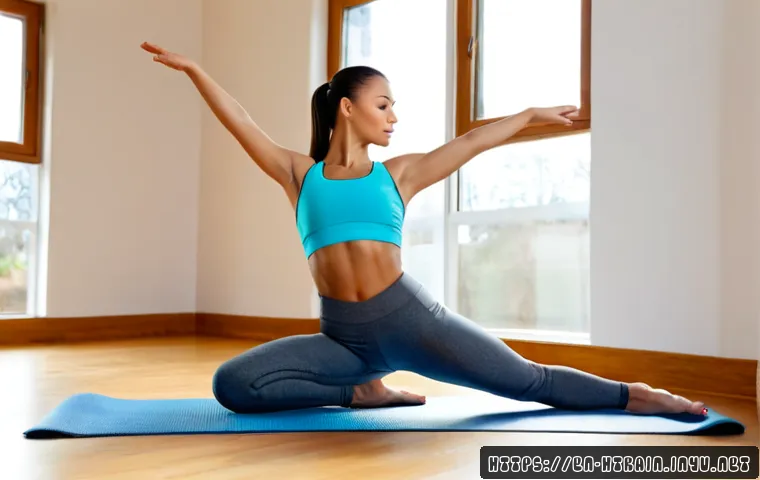
Start with a bent-knee leg raise if you are new to home core training or notice your lower back arching during straight-leg reps. A mat is usually enough for this exercise; a bench or guided workout subscription is optional and should match your comfort, space, and broader training needs.
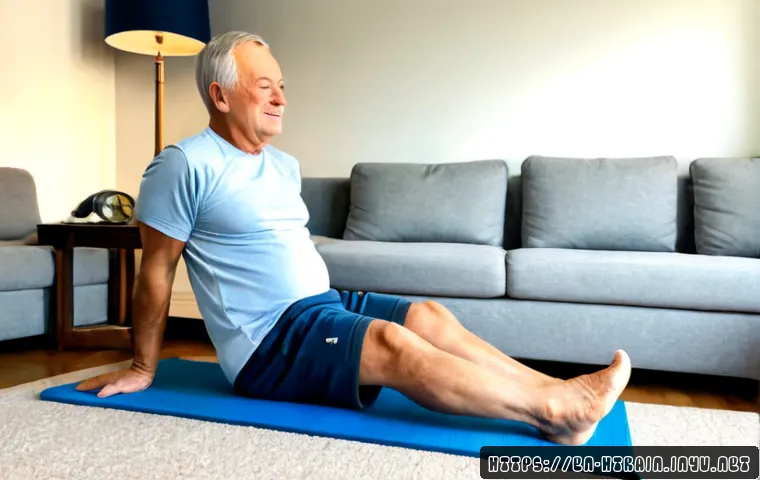
Leg raises use hip flexion while your abdominal muscles help keep the pelvis and trunk steady. The goal is not to lift your legs as high as possible, but to keep the movement slow and controlled.
If you feel pain, numbness, or symptoms that do not settle, do not push through the exercise. Before buying home workout equipment or a fitness app, compare the support, setup, and terms that actually fit your routine.
At a Glance
- Start with bent knees if straight-leg raises make your lower back arch or reduce your control.
- A stable exercise mat is optional but useful for comfort on hard flooring; equipment is not required for basic floor variations.
- Use a bench only as intended, and compare guided workout subscriptions carefully before committing.
| Option | Best Use | Space Needs | Comfort and Support | Typical Cost Category |
|---|---|---|---|---|
| Floor mat | Basic home leg raises and other floor exercises | Low | Can improve comfort on hard flooring | Low |
| Adjustable bench | Supported variations and a wider home workout setup | Higher | May help with positioning for some people when used as intended | Higher |
| Fitness app or online coaching | Following a structured workout or receiving exercise guidance | Low physical space | Guidance varies by program and coach | Ongoing subscription or service cost |
Start With Control, Not Straight Legs
A straight-leg raise is not automatically the best version. Leg raises primarily involve hip flexion, while the abdominal muscles help stabilize your pelvis and trunk. For many home exercisers, a shorter lever and a smaller range of motion make it easier to learn that control first.
Three Quick Cues for a Stable Pelvis and Relaxed Neck
Lie down in a comfortable position and let your shoulders stay heavy. Keep your neck relaxed rather than pressing your head into the floor. As your legs move, aim to keep your pelvis steady instead of allowing your lower back to arch excessively.
What a Controlled Repetition Should Feel Like
A controlled rep feels deliberate on both the lift and the return. Your legs should not swing, and you should not need to jerk your hips to get them moving. You may feel your hip flexors working, but your trunk should remain supported rather than strained.
When to Shorten the Range of Motion
Shorten the movement if your lower back begins to lift away from the floor, your pelvis rocks, or you lose a smooth lowering phase. A smaller range with good control is a better starting point than forcing a larger movement. Control is the progression tool.
Home Setup Comparison: Mat, Bench, or Guided Workout Plan
You can do a home leg raise with no equipment at all. Still, the right home workout equipment may remove a practical barrier such as an uncomfortable floor, limited exercise knowledge, or a need for a more flexible routine.
Floor Mat: The Low-Cost Option for Most Beginners
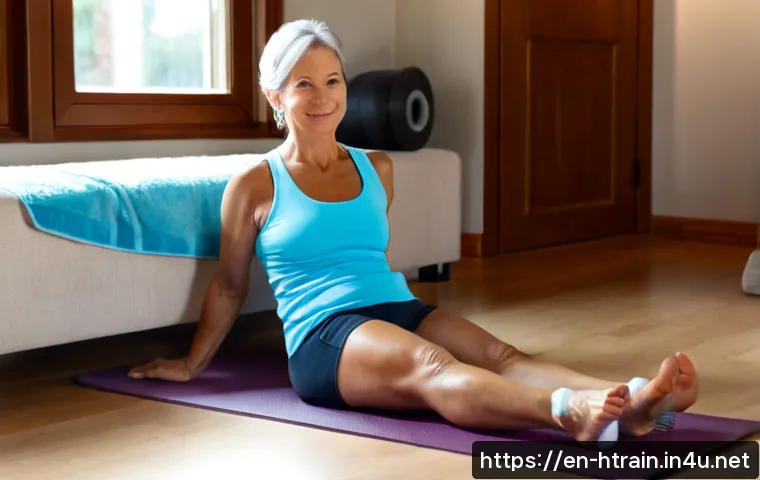
A stable exercise mat can make floor-based core training more comfortable on hard flooring. It does not change the basic technique, but comfort can make it easier to stay consistent. When comparing mats, look at stability, thickness, floor grip, and available workout space.
Adjustable Bench: When Support and Positioning May Be Useful
A sturdy, purpose-built bench may allow supported variations for some people. It is not necessary for a basic leg raise, and it should only be used according to the manufacturer’s intended instructions. Consider a bench when it also supports other safe exercises in your home routine, not just one core movement.
Fitness Apps and Online Coaching: What to Compare Before Subscribing
A fitness app or online coaching plan may be useful if you prefer follow-along sessions, exercise demonstrations, or a structured home workout plan. Before subscribing, compare the workout style, coaching credentials where relevant, trial details, cancellation terms, and whether the instruction suits your current ability level. A subscription does not guarantee results for every user.
Quick Value Table: Space, Comfort, Progression, and Cost Category
For a simple setup, a mat offers the clearest comfort benefit with minimal space. A bench takes more room and makes the most sense when it has a role across several exercises. A guided fitness subscription takes little physical space, but it is worth reviewing its ongoing terms before you enroll.
Step-by-Step Technique for a Floor-Based Core Raise
Use the floor version to learn the movement without adding equipment. Choose a bent-knee position first if you are unsure whether you can maintain a stable pelvis with straight legs.
Starting Position and Bracing
Lie on your back with your arms resting by your sides if that feels comfortable. Begin with bent knees and feet close to the floor. Settle your ribs and pelvis into a position that feels controlled, then gently brace your trunk before you begin moving.
Lifting and Lowering Without Swinging
Bring your knees upward without using a fast kick or rocking your body. Pause briefly if you can stay steady, then lower slowly. The lowering phase is important: slowing the return can increase the challenge without adding equipment.
Breathing Cues and Rep Quality Checks
Keep breathing rather than holding your breath. A useful quality check is simple: can you lower your legs smoothly while keeping your neck relaxed and your lower back from excessively arching? If not, bend the knees more, reduce the range, or switch to alternating reps.
Common Mistakes and Safer Modifications
Most leg raise problems are not about effort. They are usually about asking for more range or lever length than you can currently control. Adjusting the variation is often more useful than trying harder.
Lower Back Lifting Away From the Floor
Excessive lower-back arching can make the movement less comfortable and reduce control. Try a bent-knee raise, move through a smaller range, or stop the lowering phase before your pelvis begins to tilt. Do not treat discomfort as a signal to force more repetitions.

Using Momentum or Holding the Breath
Fast swings can hide a loss of control. Instead, make the motion quieter and slower. If you notice breath-holding, pause, reset your position, and return to a variation you can complete while breathing normally.
Bent-Knee, Alternating, and Reduced-Range Options
Use this simple variation ladder: bent-knee raise, then alternating raise, then a more demanding straight-leg raise if control remains steady. A reduced range is also a valid option. Supported variations may be considered only with equipment designed and used for that purpose.
When to Pause and Seek Individualized Guidance
Stop rather than push through pain, numbness, or symptoms that persist. If you have back, hip, abdominal, pelvic-floor, or post-surgical concerns, whether leg raises are appropriate for you requires individualized consideration.
Match the Variation to Your Goal and Training Level
The best home leg raise is the one that lets you maintain position from start to finish. Your current control, not the appearance of the exercise, should determine the version you choose.
Beginner: Build Control Before Range
Start with bent knees and a limited range. Focus on a steady pelvis, relaxed neck, and smooth return. You do not need to rush toward straight legs to make the exercise useful as part of core training.
Intermediate: Use Tempo and Pauses
If you already control the basic movement, slow the lowering phase or add a brief pause without changing equipment. These adjustments can make the movement more demanding while keeping the setup simple.
Limited Space: Effective No-Equipment Choices
A small clear area and, optionally, a stable mat are enough for floor-based variations. Alternating raises, bent-knee raises, and reduced-range reps can all fit a limited-space home workout.
Building a Balanced Home Routine Beyond One Core Exercise
Leg raises are one movement, not a complete plan. If you are building a home fitness routine, choose equipment or workout guidance based on the full range of exercises you expect to do, your available space, and the type of instruction you can follow consistently.
Selection Criteria and Comparison Summary
Buy a mat when comfort and consistency are the main barriers to floor exercise. Consider a bench only when it supports multiple safe exercises and you have enough room for a sturdy setup. Before choosing a workout app, compare trial conditions, coaching credentials, workout style, ongoing subscription terms, and cancellation details. Also compare mat thickness, bench stability, and subscription cancellation terms before buying. For official product details and current conditions, check the relevant product or subscription page.
Closing Thoughts
Leg raises at home do not require a complicated setup. Begin with the variation you can control, especially if bent knees help you avoid excessive lower-back arching. A mat can make the floor more comfortable, while a bench or guided plan should solve a real need rather than add unnecessary complexity. Progress by improving control and slowing the lowering phase before chasing a harder-looking variation.
Useful Information to Keep in Mind
1. Bent knees generally reduce lever length compared with straight legs.
2. Slow lowering can add challenge without extra equipment.
3. A stable mat may improve comfort on hard flooring.
4. Pain, numbness, or persistent symptoms are reasons to stop and reassess.
Important Notes
The ideal number of repetitions, sets, and weekly sessions varies by individual and is not fixed here. This guide cannot determine whether leg raises are suitable for personal back, hip, abdominal, pelvic-floor, or post-surgical concerns. Product pricing, availability, app features, and subscription conditions can change, so confirm current details before making a purchase.
Frequently Asked Questions
Q1. Are leg raises safe for beginners at home?
A1. A bent-knee or reduced-range version may be a more manageable place to begin because it can make pelvic control easier than a straight-leg variation. Stop if you experience pain, numbness, or symptoms that persist, and seek individualized guidance when needed.
Q2. Should I buy an exercise mat or bench for leg raises?
A2. A mat is often the more practical choice if hard flooring is uncomfortable. A bench is optional and may be worth considering only if it supports several exercises, fits your space, and is sturdy and used as intended by its manufacturer.
Q3. Why does my lower back hurt during leg raises?
A3. Excessive lower-back arching can make the movement less comfortable and reduce control. Try bending your knees, shortening the range, or lowering more slowly. Do not push through pain or persistent symptoms.