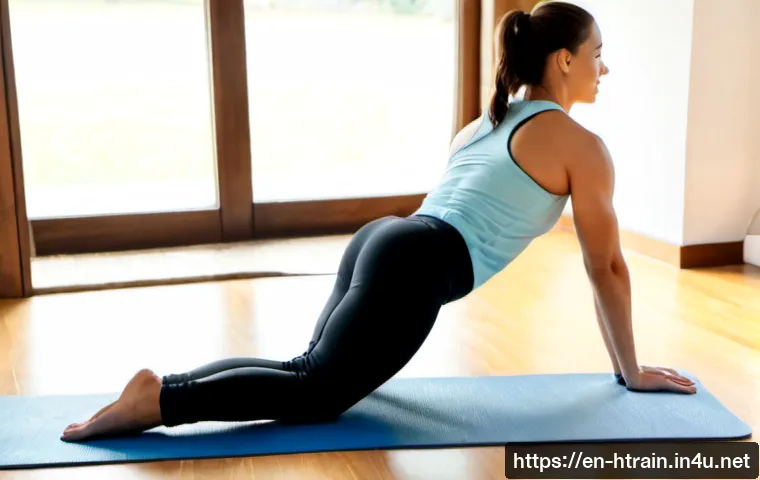
You can build stronger abs at home with bodyweight exercises alone, especially when you focus on controlled movement, breathing, and steady progression.
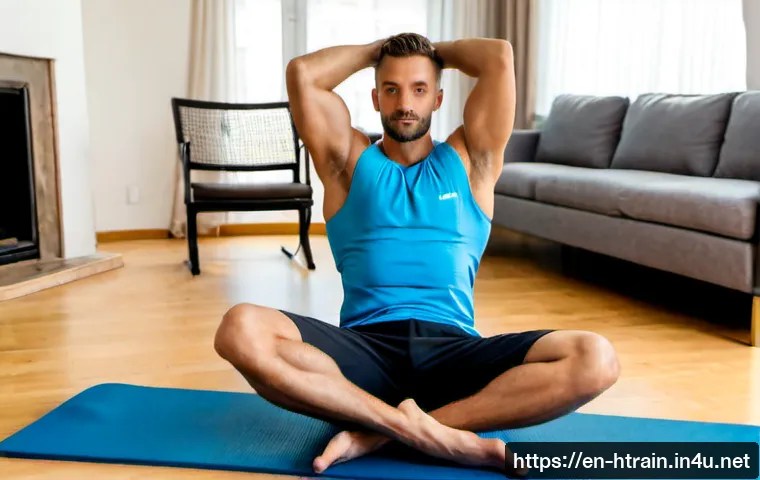
A mat, resistance band, or fitness app can be useful later if you need more comfort, resistance, structure, or accountability. The best option depends on your available space, training experience, recovery, and what makes you most likely to stay consistent.
Ab exercises strengthen the core, but they do not selectively remove fat from the midsection. Start simple, learn good form, and add equipment or guided programming only when it solves a practical problem.
At a Glance
- Bodyweight core training is enough to begin and requires very little space.
- Resistance bands, sliders, and an exercise mat can add comfort, variety, and progressive challenge.
- A fitness app or online coaching may help when structure, feedback, or consistency is your main barrier.
| Training Method | Best Use Case | Space Needed | Progression and Value |
|---|---|---|---|
| Bodyweight only | Beginners, travel, and no-cost training | Very little | Good starting point; progress through control, leverage, and longer holds |
| Resistance bands and basic gear | People ready for more variety or resistance | Small area plus storage for a mat or band | Can make progression easier without building a large home gym |
| Fitness app or online coaching | People who want plans, reminders, or guided sessions | Very little | Value depends on the quality of instruction, features, and subscription terms |
What Makes an At-Home Core Routine Effective?
The Short Answer: Consistency, Controlled Movement, and Progressive Challenge
An effective home ab workout is not just a long list of crunches. Your abdominal muscles work with the back, hips, diaphragm, and pelvic floor to help stabilize the trunk during movement. A balanced routine can include anti-extension work, anti-rotation work, flexion, and stabilization.
Start with movements you can control. As they become easier, progress by using a longer lever, adding a resistance band, slowing the movement, or holding a position with better form. The goal is not to rush into difficult exercises. It is to make each repetition more deliberate.
Why Ab Exercises Alone Do Not Target Belly Fat
Core exercises can strengthen the muscles around your midsection, but spot reduction is not supported. Doing more sit-ups does not selectively remove fat from the stomach area. Visible abdominal definition is affected by many factors beyond an ab routine, including overall activity, individual body composition, and recovery.
A home core plan is still useful because a stronger, more controlled trunk can support general movement and training. Keep expectations practical: focus on strength, comfort, and consistency rather than guaranteed appearance changes.
A Quick Safety Check Before Starting
Stop before forcing through sharp, persistent, or unusual pain. People with persistent pain, recent surgery, pregnancy-related concerns, or medical conditions may need individualized guidance from a qualified clinician or trainer. If you are unsure whether a movement is appropriate, choosing a simpler variation is usually more sensible than pushing ahead.
Choose Your Training Method: Bodyweight, Basic Gear, or a Fitness App
Bodyweight-Only Routines: The Lowest-Cost Starting Point
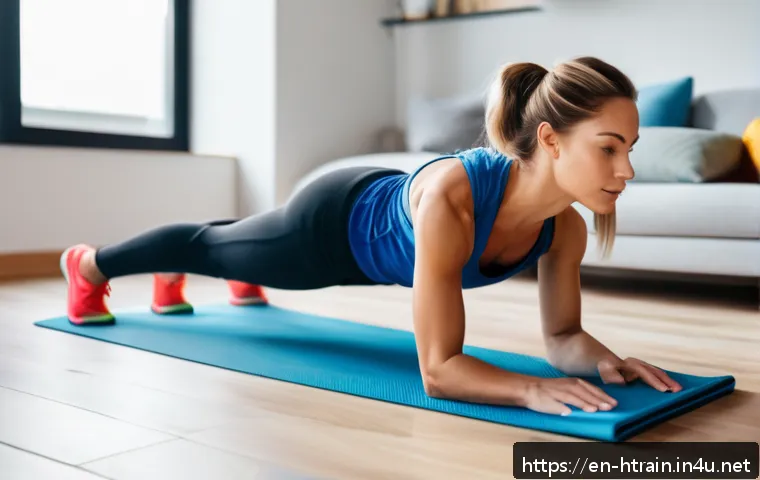
Bodyweight exercises are a practical starting point because they require little space and no purchase. A basic routine can include a controlled crunch variation, dead bug, plank, side plank, and a slow knee-to-chest movement. These exercises offer different ways to train trunk control without turning your home into a gym.
Choose this route if you are new to core training, travel often, or want to test whether a routine fits your schedule before considering fitness equipment or an app subscription.
Resistance Bands, Sliders, and Mats: What They Can Add
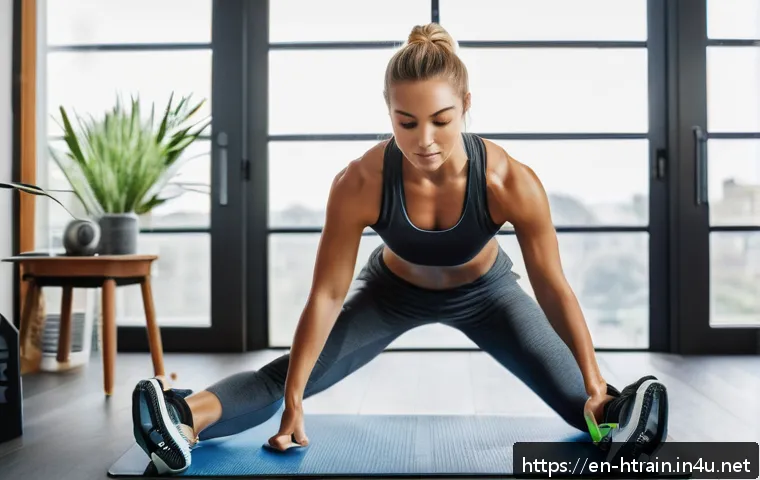
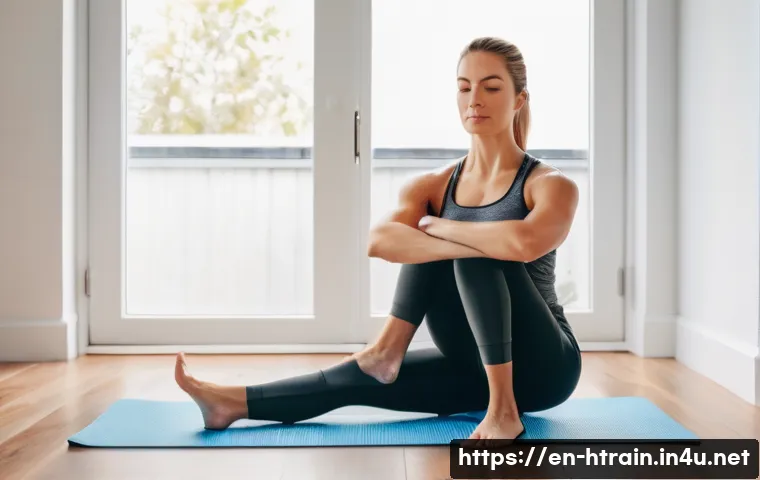
A non-slip exercise mat can make floor work more comfortable, especially for planks, kneeling movements, and exercises performed on hard surfaces. Resistance bands can add adjustable resistance and variety for movements that challenge anti-rotation and controlled trunk motion. Sliders can change the leverage of plank-based exercises, but they also make movements more demanding.
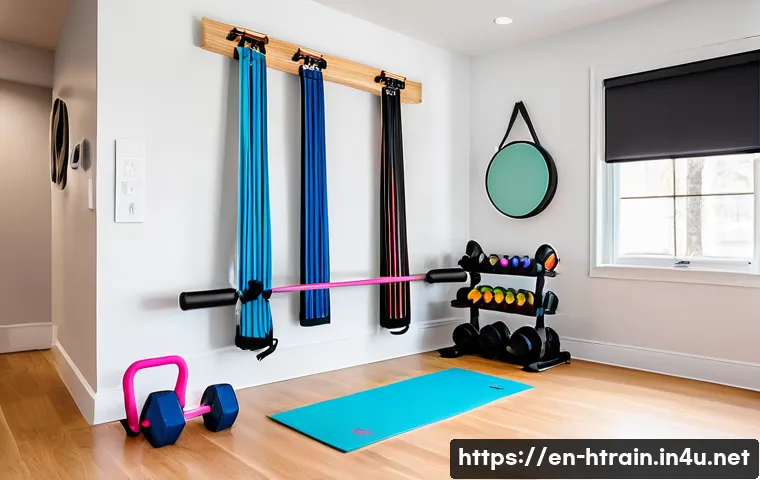
Basic home gym equipment is most useful when you already have reliable form and need a clearer progression path. Look at the material, available resistance options, storage needs, and whether the equipment works with the exercises you will actually repeat.
Fitness Apps and Online Coaching: When Structured Guidance May Be Worthwhile
A fitness app can be worthwhile if choosing exercises, planning sessions, or remembering to train is harder than the workout itself. Guided programs may offer exercise demonstrations, session structure, progress tracking, and reminders. Online coaching may offer more individualized feedback, depending on the service.
Before paying for a workout app or coaching plan, check the exercise level, coaching access, cancellation terms, included features, and whether the guidance matches your goals. A subscription is not automatically better than free training; it should solve a specific problem such as accountability or uncertainty about form.
Comparison Table: Cost, Space, Progression, and Support
For many beginners, the practical order is simple: start with bodyweight movements, add a mat if floor comfort limits you, consider resistance bands when you want more challenge, and consider guided programming when structure is the missing piece.
A Balanced At-Home Routine for Core Strength
Beginner Sequence: Brace, Stabilize, and Build Control
Try a simple sequence of a dead bug variation, a short plank, a side plank variation, and slow controlled crunches. Keep your range of motion comfortable. During each exercise, gently brace your trunk without holding your breath.
Use a pace that lets you maintain control. If your lower back starts to arch or your neck takes over, shorten the movement or choose an easier variation. Quality matters more than adding repetitions.
Intermediate Sequence: Add Longer Leverage and Resistance
When basic movements feel controlled, progress to longer plank variations, more challenging side plank positions, slider-based plank movements, or resistance-band core exercises. A band can add resistance without requiring large equipment such as a full home gym setup or adjustable dumbbells.
Do not add every progression at once. Change one variable, such as leverage, resistance, or hold time, then assess how your body responds.
How to Adjust Sets, Rest, and Weekly Frequency Without Overdoing It
The right training volume depends on your training history, goals, recovery, injuries, and overall activity level. Begin with an amount that leaves you able to keep good form. Rest enough to regain controlled breathing, and avoid treating excessive soreness as proof of a better session.
If you are adding core work to strength training, sports, or other workouts, your total activity matters. Increase gradually rather than copying a demanding routine designed for someone else.
Form Mistakes That Can Reduce Results or Cause Discomfort
Pulling Through the Neck Instead of Controlling the Trunk
During crunch-style movements, avoid pulling your head forward with your hands. Keep the neck relaxed and let the trunk do the work. If this remains difficult, choose a stabilization movement such as a dead bug or plank variation instead.
Arching the Lower Back During Planks and Leg Movements

An overly arched lower back can turn a core exercise into a position you cannot control. Reduce the lever length, bend the knees, or shorten the hold. A smaller, well-controlled range is often more useful than a larger range with poor alignment.
Holding Your Breath or Treating Pain as Normal
Breathing affects comfort and training quality. Exhale steadily during effort rather than bracing by holding your breath for the entire exercise. Normal effort is different from pain. Stop if pain is sharp, persistent, or concerning.
When to Stop and Seek Individualized Advice
Seek individualized guidance if pain continues, if you have concerns related to surgery or pregnancy, or if a medical condition affects your ability to exercise safely. A qualified clinician or trainer can help select movements and progressions that fit your situation.
Adapt the Routine to Your Schedule, Space, and Goal
A Short Routine for Busy Days
On busy days, choose two or three movements rather than skipping the session completely. A brief routine with a plank variation, a dead bug, and a side plank can be enough to maintain the habit. Keep the session simple enough that it does not require setup, scrolling, or complicated equipment.
Small-Space Options for Apartments and Travel
Dead bugs, planks, side planks, controlled crunches, and band-based anti-rotation exercises can fit into a small area. A foldable exercise mat and compact resistance band may be easier to store than larger home gym equipment.
Building Core Strength for General Fitness Versus Sport Performance
For general fitness, prioritize control, comfort, and a routine you can repeat. For sport performance, the best exercise choices may depend on the movement demands of the activity. In either case, core training works best as part of a broader exercise plan rather than as the only training focus.
Choosing Your Setup: Value and Comparison Summary
Choose bodyweight first if you are starting out, have limited space, want a no-cost option, or still need to learn basic form.
Consider a mat if hard flooring makes kneeling, planks, or floor exercises uncomfortable enough to discourage consistency.
Consider resistance bands if bodyweight movements no longer feel challenging and you want compact equipment with more progression options.
Consider a fitness app if you need a clear schedule, exercise demonstrations, tracking, or reminders to stay consistent.
Consider online coaching if individualized feedback is more important to you than a general workout library. For paid fitness apps, resistance bands, adjustable dumbbells, or coaching services, review the official product details, included features, and terms before choosing.
Final Thoughts
A useful at-home ab routine does not need to be complicated or expensive. Start with controlled bodyweight training, then add a mat, resistance band, or guided program only when it improves comfort, progression, or follow-through. Avoid chasing a single “best” exercise. The better choice is the routine you can perform with steady form and reasonable recovery.
Useful Things to Know
1. Core training includes stabilization and anti-rotation work, not only crunches.
2. A slower repetition with controlled breathing can be more useful than a rushed repetition.
3. Compact equipment may be more practical than a large home gym when space is limited.
4. An app is most valuable when it provides the structure or accountability you personally need.
Important Notes
No home workout plan can guarantee visible abs or a specific body-composition outcome. The best frequency, exercise volume, equipment choice, and progression rate vary by individual training history, goals, injuries, recovery, and activity level. If you have persistent pain, recent surgery, pregnancy-related concerns, or a medical condition, confirm the right approach with a qualified professional.
Frequently Asked Questions
Q1. Can I get stronger abs at home without buying equipment?
A1. Yes. Bodyweight exercises can provide a starting point for many people. Controlled planks, side planks, dead bug variations, and carefully performed flexion exercises can train different core functions without equipment.
Q2. Are fitness apps worth paying for when I only want an ab workout routine?
A2. They may be worth it if structured sessions, demonstrations, reminders, or progress tracking help you stay consistent. If you can follow a simple bodyweight plan independently, free routines may be enough. Check included features and subscription terms before paying.
Q3. How often should I do core exercises at home without causing soreness or strain?
A3. There is no single schedule that fits everyone. Your appropriate frequency depends on training history, exercise difficulty, recovery, other activity, and any injury concerns. Start with a manageable amount, keep form controlled, and progress gradually rather than training through pain or excessive soreness.