With more people embracing home workouts than ever before, finding effective ways to stay motivated and track progress has become a game-changer. Whether you’re a seasoned fitness enthusiast or just starting out, mastering simple tracking techniques can transform your routine and help you reach your goals faster.

In today’s fast-paced world, where distractions are everywhere, having a clear record of your achievements not only boosts confidence but also keeps you accountable.
Let’s dive into practical strategies that make monitoring your home workouts both easy and rewarding, so you can see real results without the hassle. Stick around—these tips might just be the missing piece in your fitness journey!
Building a Personalized Workout Log That Sticks
Choosing the Right Format for You
Finding a tracking method that feels natural and easy to maintain is crucial for staying consistent. Some people swear by old-school paper journals because jotting down each set and rep can feel satisfying and helps them reflect on their progress daily.
Others prefer digital apps that automatically track reps, weights, and even calories burned, making the process seamless and less time-consuming. Personally, I experimented with both and found that using a simple spreadsheet on my phone gave me the best balance: quick to update and easy to analyze later.
The key is to pick something you won’t dread using; it should integrate smoothly into your routine rather than feel like a chore.
Setting Clear Metrics That Matter
Not all workout data is created equal. To make your log genuinely useful, focus on metrics that align with your goals. For example, if strength is your priority, tracking weights and reps per set is vital.
If endurance is your target, recording workout duration or distance covered can be more insightful. I’ve noticed that when I tracked heart rate zones during cardio sessions, I was more motivated to push myself, and it helped prevent overtraining.
The trick is to avoid cluttering your log with unnecessary info. Keep it simple and relevant—this makes reviewing progress motivating instead of overwhelming.
Making Logging a Daily Habit
One of the biggest hurdles is turning workout tracking into a habit rather than a one-time effort. The best way I found to do this was to link logging to an existing habit, like immediately after cooling down or showering.
Setting a reminder on my phone at the same time every day also helped. Another tip is to make the process enjoyable—maybe add motivational quotes or emojis to your entries, or reward yourself after logging a week’s worth of workouts.
Over time, this ritual becomes second nature and serves as a constant nudge to keep going.
Leveraging Technology to Enhance Progress Tracking
Exploring Popular Fitness Apps
Technology offers countless options to help track home workouts effortlessly. Apps like MyFitnessPal, Strong, and Fitbit not only track exercises but also integrate nutrition and sleep data, providing a comprehensive health overview.
I personally use Strong because it’s straightforward and offers a customizable exercise library, which is perfect when your routine varies. The best part is the visual progress charts—seeing steady improvement in numbers is a powerful motivator.
If you’re new to apps, start with one that feels intuitive and don’t overwhelm yourself with features you won’t use.
Utilizing Wearable Devices for Real-Time Feedback
Wearables like smartwatches and fitness bands can add a layer of accountability and precision to your home workouts. They monitor heart rate, calories burned, and sometimes even posture or movement quality.
From my experience, having real-time feedback pushes me to maintain intensity during workouts instead of coasting through. Plus, wearables sync data automatically to apps, reducing manual logging and keeping your progress records accurate.
Keep in mind, though, that they can be pricey, so weigh the benefits against your budget and workout goals.
Integrating Virtual Coaching and Communities
Many apps and devices now offer virtual coaching or connect you to online fitness communities. This combination of professional guidance and peer support can significantly boost motivation.
I found that joining a weekly challenge group through an app made me stick to my workouts more consistently because I didn’t want to let my team down.
Virtual coaching can also help correct form and adjust programs based on your progress, making your tracking more meaningful. If you thrive on social interaction or structured support, these features are worth exploring.
Tracking Progress Beyond Numbers
Monitoring How You Feel Physically and Mentally
Physical stats are important, but don’t overlook how your workouts affect your mood, energy, and sleep quality. I started noting these aspects in my workout log, and it revealed patterns—like how certain workouts lifted my mood or how rest days improved my sleep.
This holistic tracking can guide you to tailor your routine not just for aesthetics or performance but for overall well-being. It’s also reassuring on days when progress seems slow; knowing you’re feeling better mentally can keep you going.
Using Photos and Videos for Visual Motivation
Taking periodic photos or videos during your fitness journey can be a powerful complement to numbers. I used to feel discouraged when the scale didn’t budge, but comparing photos over months showed clear muscle definition and posture improvement.
Videos are even better because you can observe your form and celebrate small victories like improved squat depth or a smoother push-up. Just remember to keep these private or share only with trusted friends to maintain comfort and focus.
Celebrating Non-Scale Victories
Weight and reps aren’t the only indicators of success. Tracking achievements like fitting into old jeans, feeling less winded during chores, or mastering a new yoga pose can be incredibly rewarding.
I make it a point to write down these wins as they remind me that fitness is about more than just numbers—it’s about quality of life. These moments keep motivation high, especially when plateaus hit or progress slows.
Designing a Balanced Weekly Routine with Tracking in Mind
Planning Diverse Workouts to Prevent Burnout
Variety is the spice of life, and this applies to home workouts too. Mixing strength training, cardio, flexibility, and rest days not only keeps things interesting but also helps different muscle groups recover.
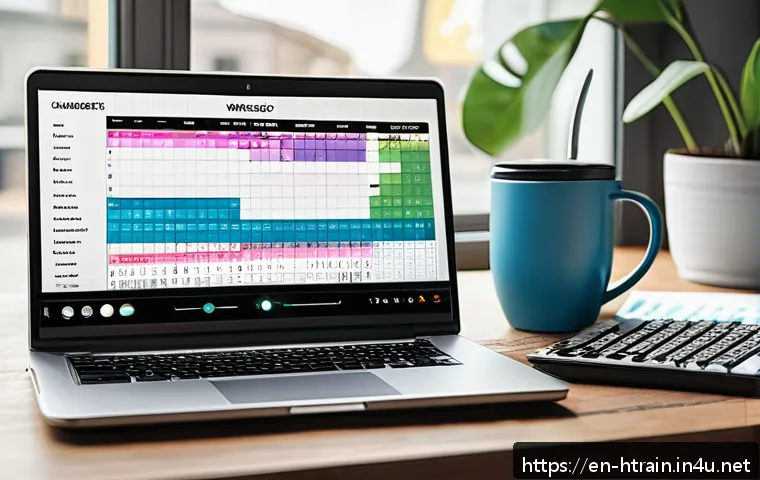
When tracking, I color-code my workout types in my log, which gives me a quick overview of balance and workload. This simple system prevents overtraining and keeps motivation fresh.
It’s easier to commit when you know each day offers something new and purposeful.
Adjusting Your Plan Based on Data Insights
One of the perks of detailed tracking is the ability to spot trends and adjust accordingly. For instance, I noticed that my performance dipped on days after poor sleep, prompting me to prioritize rest.
Or when I saw slow progress in strength gains, I tweaked my reps and weights to break plateaus. Without tracking, these subtle cues might have gone unnoticed.
Data-driven adjustments make your routine smarter and more efficient, ultimately saving time and effort.
Scheduling Recovery and Reflection Days
Rest is as important as active days, and tracking recovery can help you avoid injury and burnout. I like to log sleep hours, muscle soreness, and energy levels, then plan low-impact activities or complete rest based on that data.
Reflection days—where you review your log, set new goals, and celebrate progress—also keep me mentally engaged. Incorporating these days ensures your fitness journey is sustainable and enjoyable over the long haul.
Simple Tools That Make Tracking Effortless
Using Templates and Printable Trackers
If you prefer pen and paper but want structure, printable workout logs or templates can be lifesavers. I found that having a ready-made format reduces the intimidation factor of tracking.
You just fill in the blanks—no need to design your own system. Some templates even include motivational prompts or goal-setting sections, which add an extra boost.
Keeping a physical copy on your desk or workout spot acts as a visual reminder to log consistently.
Automating Tracking with Voice Notes or Quick Inputs
For days when writing or tapping feels like too much, voice notes can be a surprisingly effective way to capture workout details. I sometimes record a quick summary right after exercising and update my log later.
Some apps also offer voice input or one-tap logging for common exercises, speeding up the process. This flexibility means you’re less likely to skip tracking due to time constraints or laziness.
Creating a Reward System to Stay Consistent
Rewarding yourself for consistent tracking can turn it from a task into a fun challenge. For example, after logging workouts for two weeks straight, treat yourself to new workout gear or a massage.
I use small incentives like this, and they genuinely keep me on track during busy weeks. Pairing rewards with tracking builds positive habits and reinforces your commitment to fitness goals.
Comparing Tracking Methods: Pros and Cons
| Tracking Method | Advantages | Disadvantages |
|---|---|---|
| Paper Journal | Easy to customize, no tech needed, satisfying to write | Can be lost, no automatic calculations, less convenient on the go |
| Mobile Apps | Automated tracking, progress graphs, community features | Can be overwhelming, requires device and sometimes subscription |
| Wearable Devices | Real-time data, hands-free tracking, integrates with apps | Costly, battery dependent, may have accuracy issues |
| Spreadsheet | Highly customizable, easy to analyze data, accessible on multiple devices | Requires manual input, learning curve for formulas |
| Voice Notes | Quick and flexible, good for busy schedules | Needs transcription or later update, less structured data |
In Conclusion
Building a personalized workout log that truly fits your lifestyle can transform your fitness journey. Whether you choose paper, apps, or wearables, consistency and relevance are key. By tracking meaningful data and celebrating all types of progress, you create motivation that lasts. Remember, the best system is one that feels natural and keeps you engaged every day.
Helpful Tips to Keep in Mind
1. Choose a tracking method that fits seamlessly into your daily routine to avoid burnout and ensure consistency.
2. Focus on metrics that align with your personal fitness goals rather than overwhelming yourself with unnecessary data.
3. Use technology like apps and wearables to simplify logging and gain real-time insights, but don’t let complexity discourage you.
4. Incorporate non-numeric indicators such as mood, energy levels, and physical photos to get a holistic view of your progress.
5. Reward yourself for maintaining your tracking habit to turn it into a fun and motivating ritual.
Key Takeaways
Tracking your workouts effectively requires a balance of simplicity, relevance, and enjoyment. Establishing a routine that includes diverse exercises and recovery ensures sustainable progress. Leveraging technology can enhance accuracy and motivation but should complement—not complicate—your process. Remember to celebrate all forms of progress, not just numbers, to maintain a positive mindset and long-term commitment to your fitness goals.
Frequently Asked Questions (FAQ) 📖
Q: uestionsQ1: What are the easiest ways to track my progress when working out at home?
A: The simplest method I’ve found is keeping a workout journal or using a fitness app. Writing down exercises, sets, reps, and how you feel afterward creates a clear picture of your improvements.
Apps often provide handy charts and reminders, which help keep motivation high. From personal experience, seeing small gains on paper or screen makes a huge difference, especially when you’re training solo.
Q: How can I stay motivated without a gym environment or trainer?
A: Staying motivated at home can be tough, but setting realistic, short-term goals works wonders. I like breaking my workouts into manageable chunks and rewarding myself for hitting milestones—like trying a new healthy recipe or enjoying a rest day.
Also, sharing progress with friends or joining online communities adds accountability and encouragement, making the whole process feel less isolated.
Q: What should I focus on tracking to ensure I’m making real progress?
A: Focus on tracking measurable factors like workout frequency, duration, intensity, and improvements in strength or endurance. For example, noting how many push-ups you can do or how long you can hold a plank over time.
Don’t forget to track how you feel mentally and physically; energy levels and mood shifts are key indicators that your routine is effective. Combining these gives you a well-rounded view of your fitness journey.