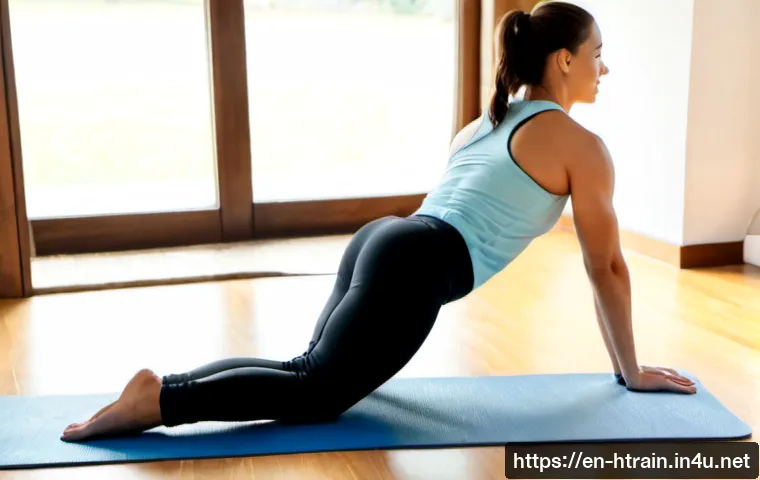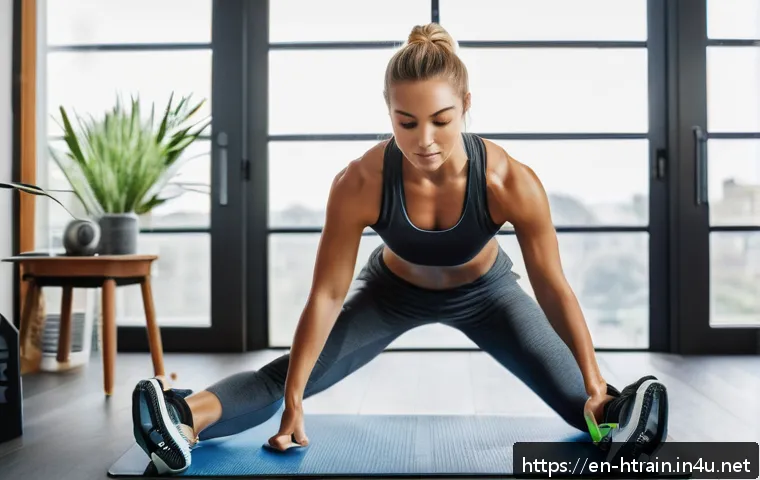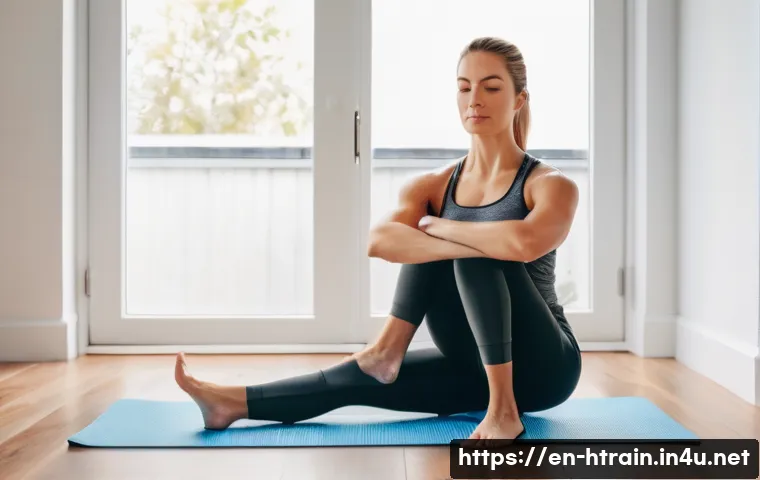
Creating a home gym has become more than just a fitness trend—it’s a lifestyle upgrade that blends convenience, motivation, and personalization right within your own space.
Whether you’re a busy professional or a fitness enthusiast, designing a workout area that fits your routine can boost consistency and make exercising genuinely enjoyable.
With so many smart equipment options and space-saving ideas available today, transforming a corner of your home into a dynamic fitness zone is easier than ever.
Plus, investing in a well-thought-out setup can save you time and gym membership costs in the long run. If you’ve been thinking about taking your workouts to the next level without stepping outside, this guide will walk you through everything you need to know.
Let’s dive in and explore how to build your perfect home gym!
Choosing the Right Equipment for Your Space and Goals
Understanding Your Fitness Priorities
When setting up a home gym, the first step is clarifying what kind of workouts you’ll focus on. Are you more into strength training, cardio, or flexibility routines?
For example, if weightlifting excites you, investing in adjustable dumbbells, a sturdy bench, and a power rack might be essential. On the other hand, if cardio is your go-to, a quality treadmill or stationary bike will be your best friends.
Knowing your priorities helps avoid clutter and wasted money on equipment that won’t get used. Personally, I found narrowing down to what I love most—HIIT and yoga—made my space more efficient and inviting, so I actually stuck to my routine.
Maximizing Space with Versatile Gear
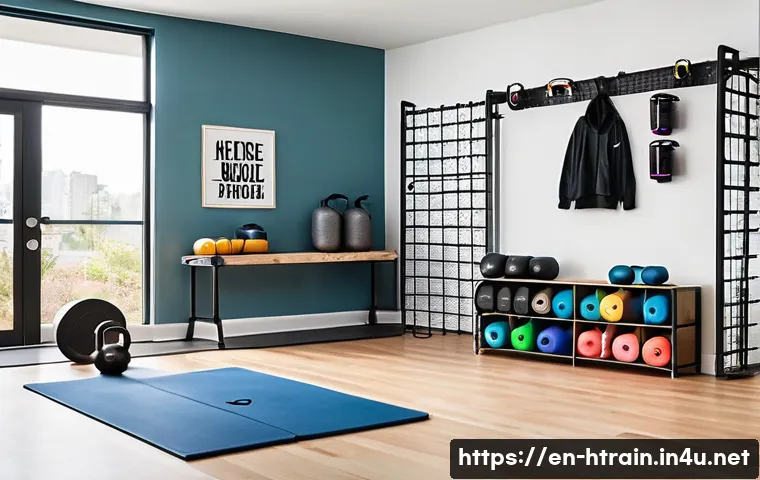
Small spaces don’t have to limit your workout options. Look for multi-functional equipment like adjustable kettlebells or foldable benches that can tuck away when not in use.
Resistance bands and suspension trainers take up almost no room but offer a full-body workout. I once struggled with a cramped apartment, but swapping bulky machines for compact gear freed up space and gave me more flexibility.
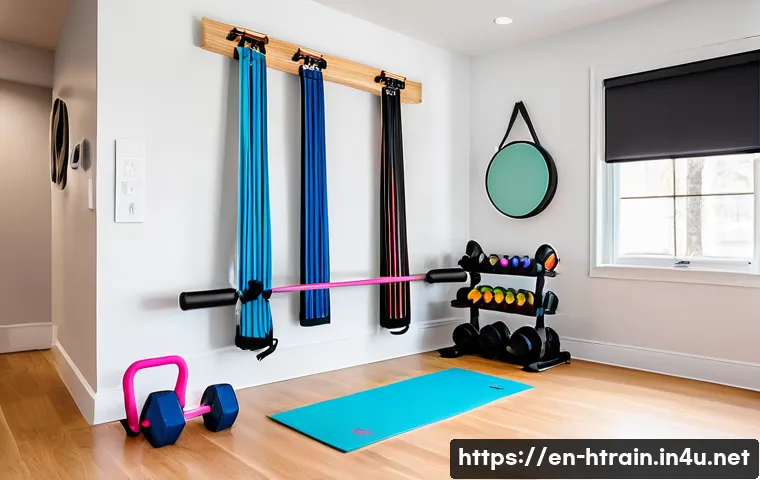
Don’t forget to measure your area before buying anything; a simple tape measure saves a lot of headache later. Also, consider wall-mounted racks or shelves to keep things organized and accessible without sacrificing floor space.
Budgeting Smart: Quality vs. Quantity
Investing in your home gym doesn’t mean breaking the bank on every shiny gadget. It’s tempting to buy everything at once, but focusing on high-quality essentials pays off in the long run.
A durable yoga mat, solid dumbbells, and a reliable jump rope can cover a wide range of workouts without costing a fortune. I remember splurging on a pricey elliptical that I barely used; since then, I prioritize gear that matches my habits and space.
To help you decide, here’s a quick comparison of popular equipment types based on cost, space, and versatility:
| Equipment | Approximate Cost | Space Needed | Workout Variety |
|---|---|---|---|
| Adjustable Dumbbells | $150 – $400 | Small (shelf or floor space) | High (strength training) |
| Stationary Bike | $300 – $1,200 | Medium (dedicated floor space) | Medium (cardio focus) |
| Resistance Bands | $15 – $50 | Minimal (drawer or bag) | High (strength, flexibility) |
| Foldable Bench | $100 – $250 | Small to Medium (folded flat) | Medium (strength training) |
| Yoga Mat | $20 – $80 | Minimal (rolled up) | Medium (flexibility, core) |
Designing Your Workout Zone for Motivation and Comfort
Lighting and Ambiance Matter More Than You Think
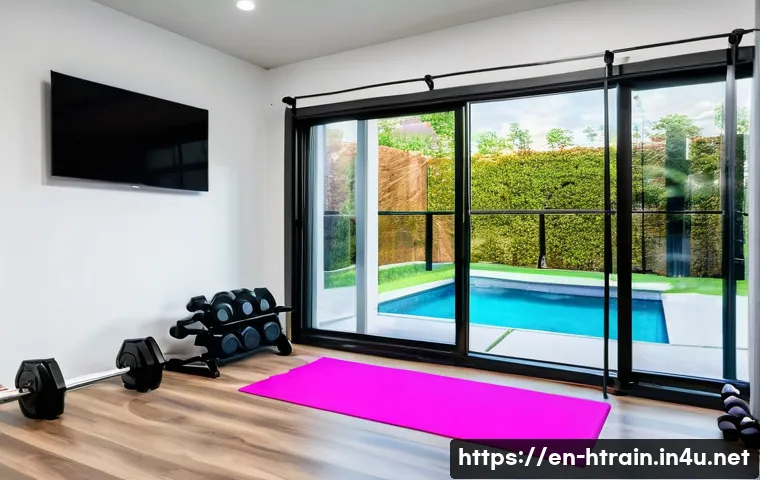
Lighting can make or break your motivation to exercise. Natural light is ideal because it boosts mood and energy, so placing your gym near a window can be a game-changer.
When natural light isn’t an option, invest in bright, adjustable LED lights that mimic daylight. I found that when my workout corner was dim and gloomy, I’d procrastinate more often.
Adding a few colorful LED strips or a small speaker for music can also create an energizing atmosphere. Remember, your gym should feel welcoming enough that you want to spend time there, not just a sterile corner of your home.
Flooring Choices for Safety and Functionality
Your flooring needs to support the types of workouts you do while protecting your joints and equipment. Rubber mats are a popular choice because they absorb impact, reduce noise, and provide grip.
Foam tiles work well for lighter exercises like yoga or stretching but might not hold up under heavy weights. When I first started, I used a cheap carpet that quickly wore out and became slippery during sweat sessions—lesson learned!
A well-chosen floor covering not only improves safety but also extends the life of your gear.
Creating Zones for Different Activities
If your space allows, designate specific areas for different workout types—like a stretching corner, a weightlifting zone, and a cardio spot. This separation helps your brain switch into “workout mode” and keeps your equipment organized.
Even in tight spaces, using rugs or mats of different colors can visually separate these zones. I personally use a colorful yoga mat for warm-ups and a rubber mat for weights, which helps me mentally prepare for each segment of my routine.
Plus, having a clear layout minimizes the time spent setting up or searching for gear.
Incorporating Technology to Elevate Your Training
Smart Equipment and Apps
Technology has revolutionized home workouts with smart treadmills, connected bikes, and apps that offer guided routines and progress tracking. These tools can keep you accountable and add variety to your sessions.
I started using a fitness app that tracks my reps and form, and it made a noticeable difference in my results. Many smart devices also sync with wearables, giving you real-time feedback on heart rate and calories burned, which is incredibly motivating.
However, don’t feel pressured to go all-in on tech; even simple timers or Bluetooth speakers can enhance your experience.
Virtual Classes and Online Communities
One of the biggest perks of a home gym is access to virtual classes that bring expert trainers right into your living room. Platforms like Peloton, Beachbody, or even YouTube offer workouts ranging from beginner to advanced levels.
Joining online communities linked to these platforms provides social support and friendly competition, which can boost your commitment. I’ve found that scheduling virtual classes at specific times helps me stick to a routine, much like going to a real gym.
Plus, it’s a great way to try new workout styles without any pressure.
Tracking Progress and Setting Goals
Keeping track of your progress is key to staying motivated. Whether it’s through wearable devices, apps, or a simple workout journal, logging your achievements helps you see improvements over time.
I personally jot down weights lifted and reps completed after each session—it’s satisfying to look back and realize how far I’ve come. Setting small, achievable goals also keeps workouts interesting and prevents burnout.
Remember, celebrating milestones, no matter how minor, reinforces positive habits and keeps your fitness journey enjoyable.
Optimizing Storage to Keep Your Gym Tidy
Smart Storage Solutions for Small Spaces
Clutter is the enemy of motivation. Keeping your home gym neat requires smart storage strategies, especially in limited spaces. Wall-mounted racks, pegboards, and shelves can store weights, bands, and accessories without eating up floor area.
I installed a few hooks on my wall for resistance bands and jump ropes, which made a huge difference in tidiness and accessibility. Even a simple storage bench that doubles as seating can hide smaller items and keep the area looking clean.
Organization Tips for Easy Access
Labeling storage bins or using color-coded containers helps you quickly find what you need and puts everything back in its place. Group similar items together—like all yoga props in one bin and all strength equipment in another—to streamline your routine.
I’ve noticed that when my gear is organized, I waste less time fumbling around, making workouts smoother and more enjoyable. Plus, a tidy space feels more inviting, which encourages consistency.
Maintaining Your Equipment
Regular maintenance extends the life of your gear and keeps it safe to use. Wiping down mats, lubricating moving parts on machines, and checking for wear and tear are simple habits that pay off.
I set a monthly reminder to inspect everything, which prevents unexpected breakdowns and keeps my workouts uninterrupted. Taking care of your equipment also reflects your commitment to fitness and helps you get the best value from your investment.
Creating a Sustainable Routine That Fits Your Lifestyle
Designing Workouts That Match Your Schedule
A home gym’s best advantage is flexibility, but without a plan, it’s easy to skip workouts. Tailor your routines to fit your daily rhythms—short, intense sessions for busy days and longer workouts when you have more time.
Personally, I block out morning slots for cardio and evenings for strength training, which keeps my energy balanced. Remember, consistency beats intensity when it comes to long-term results.
Mixing It Up to Avoid Burnout
Variety is the spice of fitness life. Incorporate different workout styles to keep things fresh and engage all muscle groups. For example, alternate between weight training, yoga, and HIIT throughout the week.
I get bored quickly if I do the same routine daily, so switching up exercises keeps me motivated and helps prevent plateaus. Your home gym can be a playground for trying new moves or equipment, so embrace that freedom.
Listening to Your Body and Adjusting
Pay attention to how your body feels and don’t hesitate to modify workouts if needed. Rest days and active recovery are just as important as intense sessions.
I learned this the hard way after pushing too hard and getting sidelined by an injury. Now, I schedule rest days and use my home gym for gentle stretching or foam rolling.
Building a routine that respects your body’s signals keeps your fitness journey sustainable and enjoyable.
Wrapping Up
Setting up a home gym tailored to your space and goals can transform your fitness journey. By focusing on what truly motivates you, choosing versatile and quality equipment, and designing a comfortable workout environment, you’ll be more likely to stick with your routine. Remember, technology and organization play key roles in enhancing your experience. Ultimately, creating a sustainable, enjoyable workout space will keep you moving toward your health goals with confidence.
Useful Tips to Keep in Mind
1. Prioritize equipment that aligns with your preferred workout style to avoid clutter and maximize usage.
2. Use multi-functional and space-saving gear to make the most of limited areas without sacrificing workout variety.
3. Invest wisely by balancing quality and quantity, focusing on essentials that offer durability and versatility.
4. Create an inviting atmosphere with proper lighting, flooring, and designated zones to boost motivation and safety.
5. Incorporate technology and maintain an organized space to enhance your workout experience and consistency.
Key Takeaways for Your Home Gym Success
Choosing the right equipment based on your fitness priorities and space is crucial. Opt for versatile, high-quality gear that fits your budget and lifestyle. Designing your workout area with good lighting, comfortable flooring, and clear zones promotes motivation and safety. Leveraging technology can keep you accountable and engaged, while smart storage solutions prevent clutter and streamline your routine. Lastly, building a flexible and varied workout schedule that listens to your body ensures long-term sustainability and enjoyment in your fitness journey.
Frequently Asked Questions (FAQ) 📖
Q: How much space do I need to set up an effective home gym?
A: The space you need really depends on the type of workouts you plan to do and the equipment you want to include. For basic setups with a yoga mat, dumbbells, and resistance bands, a corner of about 5×5 feet can work just fine.
If you’re adding larger machines like a treadmill or a stationary bike, you’ll want at least 50 to 100 square feet to move comfortably and safely. What’s worked for me is starting small and then gradually expanding as I get more serious or add more gear.
Remember, even a compact space can be effective if it’s well-organized and clutter-free.
Q: What are the must-have pieces of equipment for a beginner home gym?
A: For beginners, it’s best to start simple and versatile. I recommend investing in adjustable dumbbells because they let you easily increase weight without taking up much space.
A good-quality yoga mat is essential for floor exercises, stretching, and core work. Resistance bands are fantastic too—they’re affordable, portable, and great for strength training or rehab.
If you want to add cardio, a jump rope or a compact stationary bike can do wonders without eating up your room. From my experience, focusing on multi-use equipment helps keep the setup affordable and efficient.
Q: How can I stay motivated to work out consistently in a home gym?
A: Staying motivated at home can be tricky since distractions are everywhere, but creating a dedicated space really helps signal your brain that it’s workout time.
I found that setting a regular schedule and mixing up routines keeps things fresh and exciting. Adding elements like a wall mirror or good lighting makes the space feel more professional and energizing.
Also, using apps or streaming workout classes adds variety and accountability. One tip that worked wonders for me was tracking progress visually—whether it’s with a journal or an app—because seeing improvements fuels motivation like nothing else.