Hey fitness enthusiasts! With health trends shifting toward more personalized and tech-savvy approaches, knowing your exact body fat percentage has never been more important.
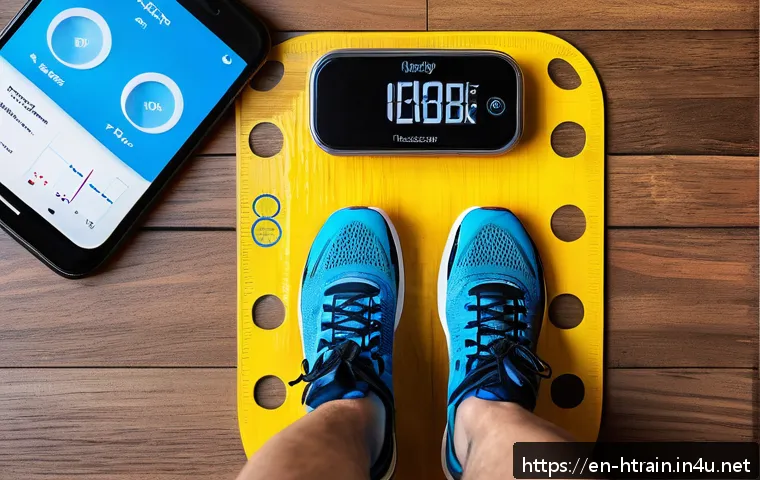
Forget guessing or relying solely on scales—accurate body fat measurement at home is now within your reach. In this post, I’ll share tried-and-true hacks that make tracking your progress easier and more reliable than ever.
Whether you’re a beginner or a seasoned athlete, these tips will help you stay motivated and informed on your fitness journey. Let’s dive into methods that bring clarity to your body composition right from your living room!
Understanding the Basics of Body Fat Measurement at Home
Why Knowing Body Fat Percentage Matters More Than Weight
Body weight alone can be misleading when you’re trying to gauge your fitness progress. For instance, two people can weigh the same but have vastly different body compositions.
Body fat percentage tells you how much of your weight is fat versus lean muscle, which is crucial for setting realistic goals and tracking actual progress.
From my personal experience, once I shifted my focus to body fat instead of just the scale, my motivation skyrocketed because I could see how my efforts were truly transforming my physique.
Common Home Methods to Estimate Body Fat
Many of us turn to tools like skinfold calipers, smart scales, or even tape measures to estimate body fat at home. Each method has its pros and cons, and accuracy varies widely.
I’ve tried smart scales that use bioelectrical impedance, and while convenient, they can fluctuate depending on hydration or time of day. Skinfold calipers, on the other hand, require some technique but can be quite reliable if you practice regularly or have a fitness buddy assist you.
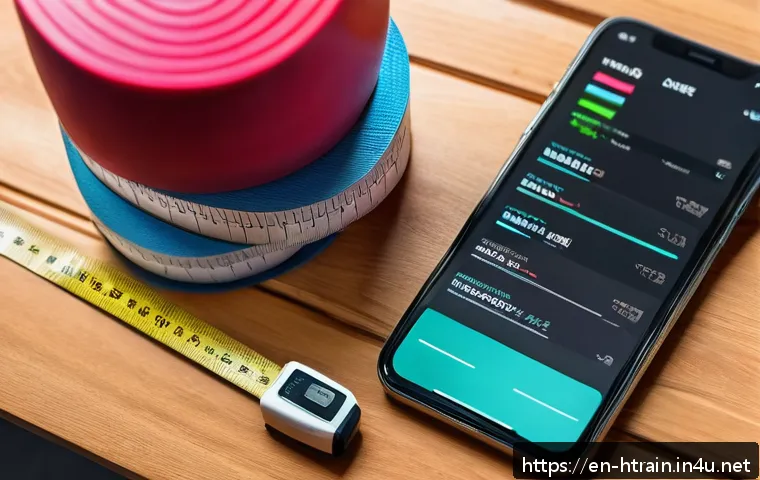
Tape measurements combined with formulas can give you a rough estimate but tend to be less precise.
Understanding Measurement Limitations and How to Minimize Errors
No home measurement method is perfect, and it’s important to acknowledge this to avoid frustration. Factors like hydration levels, recent meals, or even skin temperature can skew readings.
The key is consistency—taking measurements at the same time of day, under similar conditions, and using the same method will help you spot real trends instead of random fluctuations.
From my experience, maintaining a measurement journal helped me identify when anomalies happened and adjust accordingly.
Choosing the Right Tools for Accurate Tracking
Bioelectrical Impedance Scales: Convenience vs. Precision
Bioelectrical impedance analysis (BIA) scales are popular because they’re easy to use and provide quick results. They send a small electrical current through your body to estimate fat based on resistance.
However, their accuracy is affected by hydration and electrolyte levels, so results can vary day-to-day. When I used one regularly, I learned that trends over weeks mattered more than single readings.
Pairing BIA scales with other methods can give a fuller picture.
Skinfold Calipers: Hands-On Approach to Body Fat
If you’re comfortable with a little DIY, skinfold calipers can be a game-changer. They measure the thickness of subcutaneous fat in specific spots, and with the right technique, they offer solid accuracy.
I recommend practicing on yourself and having a workout partner help with tricky spots like the back or shoulder blades. Over time, you’ll develop a rhythm and improve precision.
Plus, calipers are budget-friendly and portable.
Smartphone Apps and Digital Tools for Tracking Progress
Technology has stepped in with apps that guide you through body measurements, calculate estimates, and even track progress visually. Some apps allow you to input photos and measurements for a more comprehensive overview.
I personally found these useful to stay motivated because they remind me to measure regularly and provide visual evidence of progress. Just remember, the app is only as good as the data you input, so consistency is key.
How to Use Measurements to Tailor Your Fitness Plan
Interpreting Your Body Fat Percentage for Goal Setting
Once you know your body fat percentage, it’s easier to set specific goals. For example, if you’re an athlete aiming to improve performance, you might target a leaner body composition.
For beginners or those focused on general health, simply reducing excess fat while preserving muscle is a great starting point. I recall when I dropped from 25% to 18% body fat—it wasn’t just about looking better, but feeling stronger and more energetic during workouts.
Adjusting Nutrition Based on Body Composition
Understanding your body fat helps inform your dietary choices. A higher fat percentage might mean you focus on creating a slight calorie deficit with balanced macros, while someone with low body fat aiming to build muscle may increase protein intake and calories.
I’ve experimented with adjusting my meals based on my body fat trends and noticed how fine-tuning nutrition helped break plateaus and accelerate fat loss without sacrificing strength.
Optimizing Workouts for Fat Loss and Muscle Gain
Your body fat data can guide how you structure workouts—whether to emphasize cardio for fat burning or resistance training for muscle gain. I found that combining both, with a slight calorie deficit, worked best to reduce fat while maintaining muscle.
Tracking body fat helped me decide when to ramp up cardio or shift focus to heavier lifting, leading to more efficient progress than just relying on weight changes.
Maintaining Motivation Through Measurable Progress
Tracking Long-Term Trends Over Daily Fluctuations
It’s easy to get discouraged by daily numbers that don’t seem to budge. I learned to zoom out and focus on weekly or monthly trends, which are far more telling.
Measuring body fat consistently every two weeks helped me see steady improvement, even when the scale was stubborn. This approach kept me motivated and reduced stress related to minor daily variations.
Setting Realistic Milestones and Celebrating Wins
Breaking your overall goal into smaller milestones makes the journey less overwhelming. When I hit a 1% drop in body fat or a visible change in muscle tone, I celebrated those wins by rewarding myself with non-food treats like new workout gear or a massage.
These small celebrations helped sustain my enthusiasm and reminded me that progress is a process.
Using Visual and Performance Feedback Alongside Numbers
Numbers tell part of the story, but how you look and feel matters just as much. Taking progress photos or noting improvements in workout performance can boost your confidence.
I often paired body fat measurements with photos and strength logs, which gave me a richer sense of achievement. Sometimes, the mirror or your energy levels reveal progress that a number can’t capture.
Practical Tips for Consistent and Accurate Home Measurements
Establishing a Routine Measurement Schedule
Consistency is king when it comes to tracking body fat at home. I set a fixed schedule—usually every Sunday morning before breakfast—to take my measurements.
Doing it at the same time and under the same conditions minimized variables that could distort results. This routine created a habit that felt natural rather than a chore.
Preparing Properly Before Taking Measurements
Small prep steps make a big difference. Avoid eating or drinking right before measuring, and try to be well hydrated but not overly so. Wearing minimal clothing and standing in a relaxed posture helps too.
I noticed that skipping these steps once or twice led to inconsistent readings, so now I treat prep as part of the process.
Recording and Analyzing Your Data Effectively
Keeping a detailed log is essential for meaningful insights. Whether you use a notebook, spreadsheet, or app, recording date, time, method, and results helps track patterns.
I also jot down notes about anything unusual—like feeling bloated or after a heavy workout—to contextualize data spikes. Reviewing this log regularly revealed trends I might have missed otherwise.
Comparing Popular Home Measurement Methods
Advantages and Drawbacks of Each Approach
Each body fat measurement method offers unique benefits and limitations. I’ve summarized key points below to help you decide which might suit your lifestyle and goals best.
| Method | Ease of Use | Accuracy | Cost | Best For |
|---|---|---|---|---|
| Bioelectrical Impedance Scales | Very easy, quick | Moderate, affected by hydration | Moderate ($50-$150) | Daily tracking, beginners |
| Skinfold Calipers | Requires practice | High with skill | Low ($10-$40) | DIY enthusiasts, precise tracking |
| Tape Measure with Formulas | Easy but less precise | Low to moderate | Very low (tape cost) | Quick estimates, budget-friendly |
| Smartphone Apps | Moderate, depends on input | Varies | Free to moderate | Visual tracking, motivation |
Combining Methods for Best Results
In my experience, relying on a single method can sometimes mislead you. Combining a BIA scale with periodic skinfold caliper checks or tape measurements creates a more balanced view.
This multi-angle approach helps confirm trends and keeps you accountable, especially when the scale or one method gives unexpected results.
When to Consider Professional Body Composition Testing
While home methods are great for ongoing tracking, professional tests like DEXA scans or hydrostatic weighing offer the gold standard accuracy. I recommend scheduling these every few months if you want a detailed baseline or confirmation of your home measurements.
Though more expensive, they provide insights that can fine-tune your fitness strategy significantly.
Conclusion
Measuring body fat at home is a practical way to gain deeper insight into your health and fitness beyond just the scale. While no method is perfect, consistent tracking and combining different tools can provide meaningful progress indicators. With patience and the right approach, you’ll be better equipped to tailor your nutrition and workouts effectively. Ultimately, understanding your body composition empowers you to make smarter decisions and stay motivated on your fitness journey.
Helpful Information to Remember
1. Consistency is essential—take measurements at the same time and under similar conditions for accurate tracking.
2. Combining multiple measurement methods can give a clearer picture and reduce misleading results.
3. Small lifestyle factors like hydration and recent meals can affect readings, so prepare accordingly before measuring.
4. Use body fat data to adjust your fitness plan, including diet and exercise, for better results.
5. Celebrate small milestones to maintain motivation and acknowledge your progress along the way.
Key Takeaways
Home body fat measurement tools offer valuable insights but come with limitations influenced by technique and physiological factors. Prioritizing regular, well-prepared measurements and cross-referencing methods enhances accuracy. Use this data to set realistic goals and customize your fitness approach. Remember, progress is a gradual process—tracking trends over time is more meaningful than fixating on daily numbers. Lastly, consider professional testing occasionally for a comprehensive assessment and to validate your home tracking efforts.
Frequently Asked Questions (FAQ) 📖
Q: What are the most accurate methods to measure body fat percentage at home?
A: The most accurate home methods include using bioelectrical impedance scales, skinfold calipers, and smart body composition devices. Bioelectrical impedance scales send a small electrical current through your body to estimate fat percentage, though hydration levels can affect accuracy.
Skinfold calipers, when used properly, can give a reliable estimate by measuring fat thickness at specific body points. Recently, smart devices combining multiple sensors and AI algorithms have improved precision.
From my experience, combining caliper measurements with a good bioimpedance scale and tracking changes over time gives the best insight into your progress.
Q: How often should I measure my body fat percentage to track progress effectively?
A: Measuring body fat once every 2 to 4 weeks strikes the right balance. Daily or weekly checks can cause unnecessary stress due to natural fluctuations in water retention and other factors.
I’ve found that checking too frequently often leads to frustration, especially when the numbers don’t change as expected. Spacing out measurements allows you to see meaningful trends and better understand how your diet and workouts impact your body composition over time.
Q: Can home body fat measurements replace professional assessments?
A: Home measurements are great for tracking trends and staying motivated but don’t fully replace professional assessments like DEXA scans or hydrostatic weighing.
These clinical methods are more precise but often costly and less accessible. For most fitness enthusiasts, consistent home monitoring combined with occasional professional check-ins offers a practical approach.
Personally, I use home tools for weekly tracking and schedule a professional scan every few months to validate my progress and adjust my training plan accordingly.