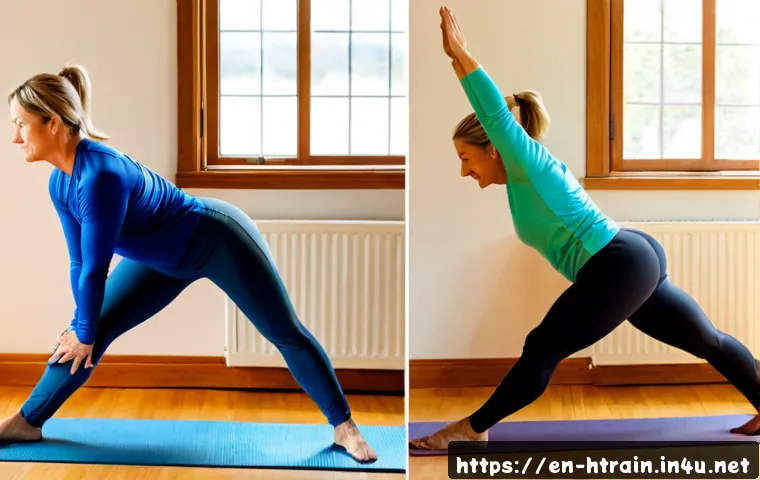
Typical post-workout muscle soreness often feels better with gentle movement, sleep, hydration, adequate food, and a gradual return to training. Do not treat sharp, worsening, or unusual pain as normal soreness—those symptoms need prompt medical assessment.

For most home exercisers, free recovery habits are the sensible first choice before buying equipment. A basic foam roller, massage ball, recovery app membership, or percussion device may add convenience, but none replaces an appropriate training load or an injury assessment when warning signs are present.
The best next step depends on whether discomfort is broad and improving, or localized and getting worse.
At a Glance
- Typical DOMS commonly starts several hours after a new or intense workout and may peak one to three days later.
- Gentle movement, sleep, hydration, adequate food, and a reduced training load are practical first recovery steps.
- Sharp pain, major swelling, weakness, numbness, fever, dark urine, or worsening pain should not be managed as routine muscle soreness.
| What you notice | More consistent with typical soreness | When to pause and seek assessment |
|---|---|---|
| How it started | After an unfamiliar workout or a sudden increase in intensity or volume | After a fall, twist, pop, or suspected injury |
| How it feels | General muscle tenderness and stiffness that is uncomfortable but manageable | Sharp pain, localized pain, instability, numbness, or weakness |
| What happens over time | Symptoms commonly begin hours later and may peak within one to three days | Pain worsens rather than improves, or comes with major swelling, fever, or dark urine |
| Best next step | Gentle activity, daily movement, recovery basics, and a scaled-back next workout | Stop treating it as DOMS and arrange prompt medical assessment |
What to Do in the First 24–72 Hours After a Sore Home Workout
The quick answer: move gently, recover consistently, and avoid forcing painful movements
If your muscles feel broadly sore after a harder-than-usual home workout, start with comfortable movement rather than a second hard session. A gentle walk, normal daily activity, or easy mobility work may feel better than staying completely still. The goal is not to “push through” soreness. It is to stay comfortably active while allowing your body to recover.
DOMS can begin several hours after unfamiliar or intense exercise and may peak one to three days later. That pattern can be frustrating, especially when a workout felt fine at the time. Still, a normal soreness pattern does not make every painful movement safe. Stop or modify movements that create sharp, localized, or escalating pain.
A simple same-day recovery routine
Keep your approach basic. Move through normal daily tasks at a comfortable pace. Choose gentle activity if it feels good, prioritize sleep, drink enough fluids, and eat adequately for your normal exercise recovery needs. These habits do not promise a specific recovery timeline, but they support general recovery without adding more training stress.
If stiffness is the main issue, heat may feel soothing. After a strenuous session, cold may temporarily reduce discomfort. Responses vary, so use the option that feels comfortable rather than assuming one method works best for everyone.
When rest is useful and when complete inactivity can make stiffness feel worse
Rest is useful when normal movement is difficult, symptoms are more than mild, or your body feels unready for another training session. Rest does not have to mean staying motionless all day. For typical muscle soreness, gentle activity and ordinary movement can feel more comfortable than complete inactivity.
Skip a demanding repeat workout when the same muscles are still very sore. A recovery day can include low-impact movement, mobility work, or simply a return to usual daily activity. If a movement feels unstable, sharply painful, or distinctly different from ordinary soreness, pause instead of testing it repeatedly.
Normal Muscle Soreness or an Injury? Use These Signs Before You Train Again
Typical DOMS patterns after a new or harder workout
Typical delayed-onset muscle soreness is often linked to an unfamiliar exercise, a harder session, or an abrupt increase in workout volume or intensity. It may show up hours later instead of during the workout itself. The discomfort is commonly felt in the muscles used during the session and may include stiffness or tenderness.
Before your next home workout, ask a simple question: does this feel like general muscle soreness that is stable or improving, or does it feel like a specific problem? Broad soreness after a new bodyweight routine calls for a different response than a sudden, sharp pain in one area.
Red flags: sharp pain, swelling, instability, numbness, and unusual symptoms
Do not label every pain as DOMS. Sharp pain, major swelling, weakness, numbness, fever, dark urine, or pain that worsens rather than improves requires prompt medical assessment. These symptoms are not appropriate for a self-directed recovery-tool experiment.
Also pause training if pain followed a fall, twist, pop, or suspected injury. A foam roller, massage gun, stretching routine, or fitness app cannot determine what happened. Continuing to load an area that feels unstable or sharply painful may be a poor trade-off.
When to contact a clinician or seek urgent care
Contact a clinician promptly when warning signs are present, when pain worsens rather than improves, or when you suspect an injury from a fall, twist, or pop. Urgent symptoms such as major swelling, weakness, numbness, fever, or dark urine should not be managed as ordinary post-workout soreness.
A physical therapy evaluation or medical assessment may be worth more than another recovery gadget when symptoms are localized, function is limited, or you are uncertain whether it is safe to train. The value is not just symptom relief; it is getting appropriate guidance for the actual problem.
Recovery Methods Compared: Free Habits, Low-Cost Tools, and Paid Support
Walking, mobility work, sleep, hydration, and balanced meals
Free habits should be the foundation of a home workout recovery plan. Gentle walking and normal daily movement may be more comfortable than total inactivity for typical soreness. Sleep, hydration, and adequate food intake support general exercise recovery and do not require a subscription or device.
For beginners, these basics are usually the clearest starting point because they also encourage a sustainable training routine. If you repeatedly need elaborate recovery methods after every session, review whether your workout volume or intensity is increasing too quickly.
Foam rollers, massage balls, and heat or cold options: what to consider before buying
A foam roller or massage ball can be a low-cost option for people who enjoy self-massage as part of a recovery routine. Consider storage space, ease of use, and whether you are likely to use it consistently. A smaller massage ball may be easier to keep near a workout area, while a roller can suit people who prefer a broader contact surface.
Heat or cold options may also be convenient, but comfort is individual. Heat may feel soothing for stiffness, while cold may temporarily reduce discomfort after strenuous activity. Avoid treating a tool as permission to repeat the same hard workout before your body feels ready.
A percussion device may appeal to people who want a more hands-off option, but it comes with a higher purchase decision than basic manual tools. It should be judged by convenience, comfort, product support, return policies, and whether it fits your routine—not by a promise that it will solve every type of soreness.
Recovery apps, personal trainers, and physical therapy: when the added cost may be justified
A mobility or fitness app membership can be useful if you need structure for lighter recovery sessions or help planning gradual workout progressions. Before subscribing, check the ongoing membership cost, cancellation terms, available workout types, and whether the guidance matches your experience level.
A personal trainer may be a better investment when your home workouts repeatedly leave you excessively sore because you are unsure how to scale sets, repetitions, exercise selection, or intensity. A trainer can help with technique and progression, but pain with injury-like features still needs appropriate medical assessment.
Physical therapy or medical evaluation may offer stronger value when pain is persistent, localized, worsening, or associated with warning signs. In that situation, purchasing more recovery equipment can delay a more useful next step.
Common Recovery Mistakes That Can Prolong Soreness
Repeating the same hard session too soon
One of the simplest mistakes is repeating a demanding workout because it is on the calendar, even when normal movement is still limited. Instead, reduce volume or intensity, select a different body area, choose low-impact movement, or rest. Gradual training progress can help reduce the risk of excessive soreness caused by abrupt changes.
Stretching aggressively through pain

Gentle mobility may feel comfortable, but aggressive stretching through painful resistance is not a requirement for recovery. If a position produces sharp pain or makes symptoms feel worse, stop. Comfort and control matter more than forcing range of motion.
Treating every pain as “no pain, no gain”
Post-workout effort and ordinary soreness are not the same as every painful symptom. A “no pain, no gain” mindset can make it easier to overlook sharp pain, instability, numbness, or worsening symptoms. Those signs call for caution, not extra repetitions.
Relying on supplements or devices instead of adjusting training load
A device or supplement should not become the main plan for managing repeated excessive soreness. Whether a specific product helps an individual is uncertain. First review the training change that preceded the problem: Was the workout new? Did volume or intensity jump too quickly? Would a smaller progression make the next session more manageable?
Adjust Your Next Home Workout Based on How Your Body Feels
If soreness is mild: reduce volume and focus on technique
If soreness is mild and movement feels normal, consider a shorter or easier session. Reduce the amount of work, avoid sudden intensity jumps, and focus on controlled technique. This keeps training consistent without assuming you need to match the previous session exactly.
If soreness limits normal movement: choose low-impact activity or rest
When soreness makes ordinary movement difficult, a hard home workout is usually not the best next step. Choose gentle, low-impact activity if comfortable, or take a rest day. Sleep, hydration, adequate food, and a calmer activity level may be more useful than trying to “sweat it out.”
If pain feels localized or unstable: pause the workout and get assessed
Localized pain, instability, sharp sensations, weakness, numbness, major swelling, or symptoms after a fall, twist, or pop should change the decision immediately. Pause the workout and seek prompt medical assessment rather than testing the area with more exercises or recovery tools.
Choosing a Recovery Plan and Tools: A Practical Comparison Summary
Best no-cost options for most beginners
For most beginners with typical soreness, start with gentle movement, normal daily activity, sleep, hydration, adequate food, and a gradual training progression. These options are low risk, simple to repeat, and directly support a more sustainable home workout routine.
When a basic foam roller or mobility subscription may be useful
A basic foam roller, massage ball, or mobility app membership may be useful when you want more structure or enjoy a consistent recovery ritual. The right choice is the one you will realistically use without treating it as a substitute for sleep, gradual progression, or symptom awareness.
When professional assessment is the better investment
Professional guidance may be the better investment when you are unsure how to progress safely, soreness repeatedly disrupts training, or symptoms do not fit a normal DOMS pattern. A trainer may help with program design and technique. A physical therapist or clinician may be more appropriate when pain is injury-like, worsening, or accompanied by red flags.
Selection Criteria and Comparison Summary
Use these checks before spending money on a recovery product or service:
- Symptom check: Is this broad, improving muscle soreness, or is it sharp, localized, unstable, or worsening?
- Training check: Did you recently make an abrupt change in workout intensity or volume?
- Practicality check: Will you actually use a foam roller, massage ball, heat or cold option, or app consistently?
- Cost check: Compare one-time equipment costs with ongoing fitness app membership fees.
- Safety check: If warning signs are present, prioritize a physical therapy or medical assessment over another device.
Before buying, compare features, return policies, and ongoing subscription costs on the relevant product or service page.
Final Thoughts
Most home workout soreness is best handled with simple recovery habits and a less aggressive next session. Gentle movement can be more comfortable than complete inactivity when symptoms match a typical soreness pattern. Recovery tools may add convenience, but they do not replace gradual training progress. When pain is sharp, worsening, or unusual, choose assessment over self-treatment.
Useful Things to Know
1. DOMS may begin several hours after unfamiliar or intense exercise.
2. Soreness may peak one to three days later, so the day after a workout is not always the most uncomfortable day.
3. Heat may feel soothing for stiffness, while cold may temporarily reduce discomfort after strenuous activity.
4. Gradual increases in workout volume or intensity can help reduce the risk of excessive soreness.
Important Notes
This information is general and cannot determine the cause of an individual’s pain. Recovery time varies with training load, sleep, food intake, hydration, fitness level, and possible injury. Seek prompt medical assessment for sharp pain, major swelling, weakness, numbness, fever, dark urine, worsening pain, or symptoms after a fall, twist, pop, or suspected injury.
Frequently Asked Questions
Q1. Is it safe to work out when muscles are still sore from a home workout?
A1. It may be reasonable to do a reduced or different session when soreness is mild and movement feels normal. If soreness limits normal movement, choose low-impact activity or rest. Do not continue if pain is sharp, localized, unstable, or worsening.
Q2. Are foam rollers or massage guns worth the money for muscle soreness?
A2. They may be worthwhile for convenience if you enjoy using them regularly, but they are not essential for typical soreness. Start with free recovery habits first. Compare comfort, product support, return policies, and cost before choosing a foam roller, massage ball, or percussion device.
Q3. How long should muscle soreness last before I see a doctor or physical therapist?
A3. Exact recovery time varies, so focus on the pattern rather than a fixed deadline. Seek prompt assessment if pain worsens rather than improves, if it is sharp or localized, or if you have major swelling, weakness, numbness, fever, dark urine, or symptoms after a fall, twist, pop, or suspected injury.