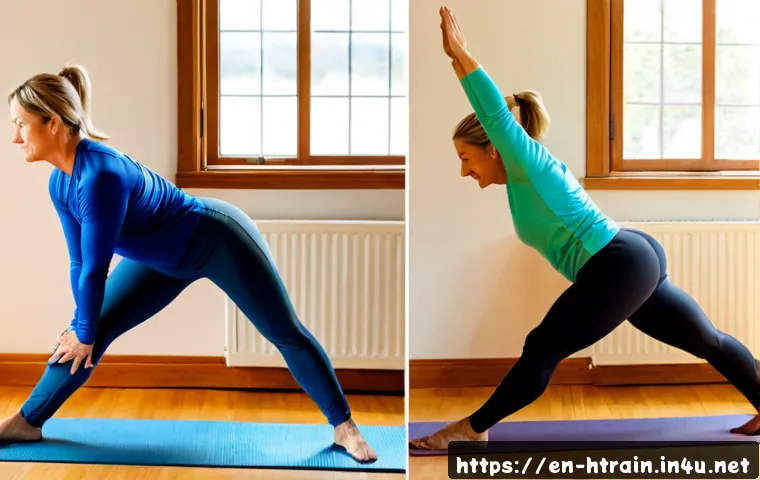
Consistent home workouts can improve strength, cardiovascular fitness, mobility, energy, and body composition over time. Learn what changes are realistic, how long they may take, and when equipment or coaching adds value.

Consistent home workouts can improve strength, cardiovascular fitness, mobility, balance, energy management, and everyday physical function over time. Visible body-composition changes are possible, but they depend on more than exercise alone, including food intake, sleep, stress, starting point, and consistency. The most useful routine is not necessarily the most expensive one; it is the one you can perform regularly and progress safely. Bodyweight training can be enough for many goals, while bands, adjustable weights, fitness apps, or online coaching may help when you need more resistance, structure, or accountability. Focus on performance markers as well as appearance, because progress can happen without a major change on the scale. If pain persists or you have an injury, chronic condition, pregnancy, or unexplained symptoms, confirm that your plan is appropriate with a qualified professional.
At a Glance
- Realistic long-term changes: better strength, fitness, mobility, balance, and daily capacity can come from regular home exercise.
- What drives progress: sufficient effort, regular practice, progressive overload, and recovery matter more than where you train.
- When to upgrade: add equipment, an app, or coaching when your current routine no longer provides enough progression or consistency.
| Home Workout Option | Best For | Progression Potential | What to Check Before Choosing |
|---|---|---|---|
| Bodyweight only | Limited space, beginners, general fitness | Can progress through exercise selection, control, range of motion, and effort | Whether your exercises can become challenging enough over time |
| Resistance bands | Portable strength work and small spaces | More resistance options than bodyweight alone | Resistance range, exercise compatibility, and secure setup |
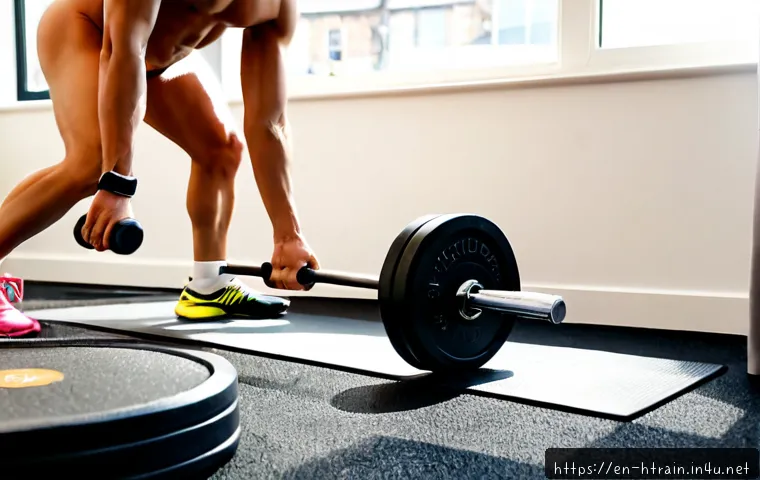
| Adjustable dumbbells | Strength-focused routines and muscle-building support | Useful for gradual load increases | Available space, storage, handling comfort, and weight range |
| Fitness app | People who need structure and workout ideas | Depends on program quality and your follow-through | Goal-specific plans, progression guidance, and scheduling features |
| Online coach | People who want individualized feedback or accountability | May help with program adjustments and adherence | Qualifications, communication style, scope of support, and program fit |
What a Consistent At-Home Routine Can Realistically Change
Early improvements: energy, coordination, exercise tolerance, and confidence
Early progress is often easier to notice in how movement feels than in the mirror. You may become more coordinated with familiar exercises, feel more comfortable completing a session, and build confidence in your ability to keep a routine. Regular physical activity can also support energy management and day-to-day function. These changes matter because they make a routine easier to maintain.
Longer-term changes: strength, endurance, mobility, and body composition
With regular practice, home workouts can improve cardiovascular fitness, muscular strength, balance, mobility, and functional capacity. Resistance training is especially valuable for supporting strength and preserving lean mass when the routine includes progressive overload. That can mean using more resistance, doing a harder variation, improving control, or gradually increasing the challenge in another practical way.
Body-composition changes are less predictable. Training is only one part of the picture; food intake, sleep, stress, baseline fitness, and consistency also matter. Avoid treating a certain appearance outcome as guaranteed by a particular workout plan or piece of home gym equipment.
Why the scale is not the only progress marker
A scale can be one data point, but it does not show the full effect of training. Better exercise control, increased resistance, improved range of motion, easier daily movement, and greater workout tolerance can all indicate useful progress. Track a few markers that match your goal, such as the exercise variation used, resistance selected, repetitions completed, or how steady and comfortable a movement feels.
The Factors That Determine Results More Than Location
Training frequency, effort, and progressive overload
Home training works when it includes appropriate exercise selection, enough effort, regular practice, and a way to progress. A routine does not need to look advanced to be effective. It does need to give your body a reason to adapt. If every session stays identical and feels equally easy, meaningful progress may eventually slow down.
Progression should be deliberate, not reckless. For bodyweight workouts, you might choose a more demanding variation or use slower, more controlled movement. With bands or adjustable dumbbells, added resistance may create clearer strength-training options. The right choice depends on your available space, comfort level, and primary goal.
Nutrition, sleep, stress, and recovery
Exercise does not operate separately from the rest of life. Nutrition, sleep, stress, and recovery can all influence training performance and visible changes. Rest is not a failure to train; it is part of adaptation. A schedule that is too aggressive may be harder to sustain and may leave little room for recovery.
Persistent pain is not a normal sign of an effective workout. Sharp pain, ongoing pain, or unexplained symptoms deserve attention rather than a push-through mindset.
Tracking performance instead of relying only on appearance
Use simple tracking that you will actually maintain. A note on your phone can record completed sessions, exercises, resistance used, and what felt easier or harder. This is often more useful than judging every workout by appearance. It also helps you decide whether an app, a structured online program, or a coach would add real value.
Compare Home Workout Options by Value, Cost, and Progression
Bodyweight routines: lowest cost and best use cases
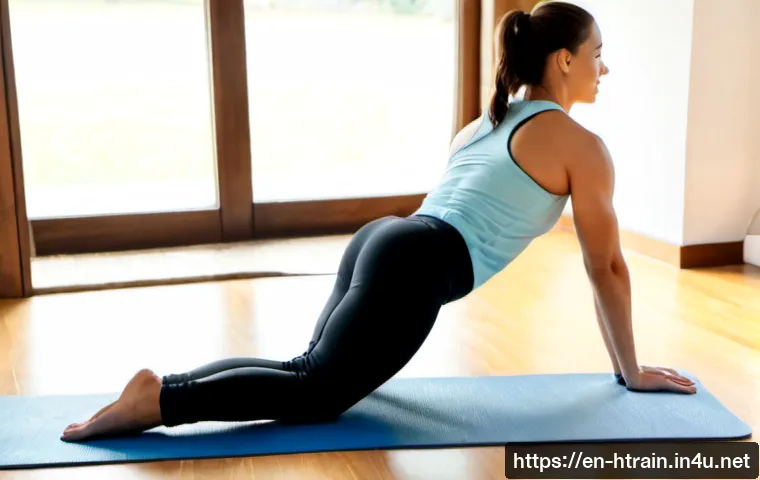
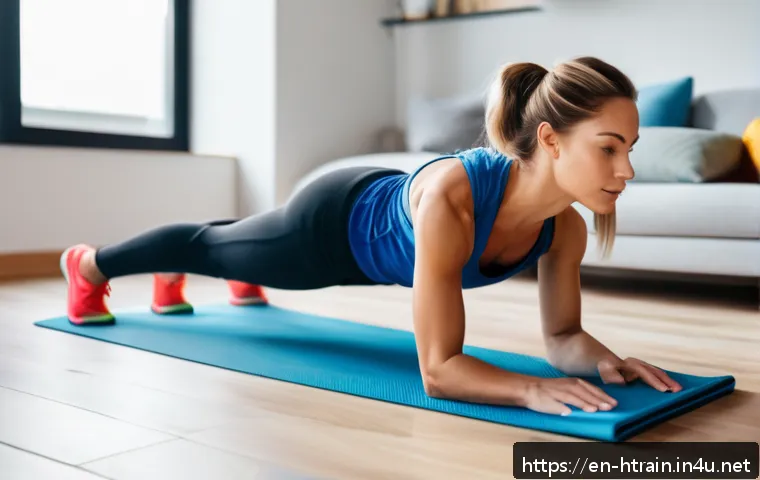
Bodyweight training is a practical starting point for general health, mobility, balance, cardiovascular work, and basic strength development. It requires little space and no purchase. It can be a strong long-term option if you can continue adjusting exercise difficulty and training effort.
Its main limitation is not that it is “too basic.” The limitation is whether it still provides a challenging enough progression for your goals. If repeated movements no longer demand much effort, a change in exercise selection or added resistance may be useful.
Resistance bands and adjustable weights: when added resistance is worthwhile
Resistance bands can suit people who need portability, small-space storage, and more exercise variety. Adjustable dumbbells may be more appealing for a strength-focused home gym because they can support gradual changes in load. Neither purchase automatically creates results. The value comes from using the equipment consistently within a sensible plan.
Before comparing home fitness equipment, consider space, storage, resistance range, progression options, and the exercises you want to perform. Choose equipment that removes a barrier instead of creating one. A complicated setup that stays in a closet is less useful than a simple tool you use regularly.
Fitness apps and online coaching: paying for structure and accountability
A fitness app can help when the biggest problem is deciding what to do each session. Look for a program that explains exercise selection, progression, scheduling, and modifications rather than simply offering random workouts. Features such as workout tracking and reminders may be useful if consistency is your main challenge.
Online coaching may add value when you want more individualized programming, feedback, or accountability. It is not automatically necessary for every beginner. Review the coach’s qualifications, communication process, and whether the service fits your needs before paying for a subscription or package.
Avoid the Mistakes That Stall Long-Term Progress
Repeating the same workout without making it harder
Consistency is essential, but repetition alone is not always progression. If your routine never becomes more demanding, your body may have less reason to keep adapting. Review your workouts periodically and ask whether you are improving control, effort, resistance, exercise difficulty, or overall capacity.
Training through sharp pain or skipping recovery
Hard work and discomfort are not the same as pain. Do not use pain as proof that a workout is working. Recovery supports training adaptation, and it is reasonable to adjust a session when your body needs it. For injuries, chronic conditions, pregnancy, or unexplained symptoms, confirm exercise choices with an appropriately qualified professional.
Setting appearance-only goals and quitting too early
Appearance can be a valid personal goal, but it is not the only measure worth using. If the scale or mirror is your only feedback, you may overlook better mobility, greater confidence, improved strength, or more energy for daily tasks. Build goals around actions and performance as well as visual outcomes.

Build a Routine for Your Primary Goal
For general health and daily energy
Choose a repeatable mix of movement that supports cardiovascular fitness, strength, mobility, and balance. A simple routine is often easier to maintain than an overly complicated plan. The key is regular practice and enough variety to address more than one physical quality.
For strength and muscle-building
Prioritize resistance training and a clear progression strategy. Bodyweight movements can work, but bands or adjustable weights may be useful when you need more options for increasing resistance. Keep records so you can see whether your performance is moving forward.
For fat loss support and cardiovascular fitness
Home workouts can support cardiovascular fitness and can be part of a broader approach to body-composition goals. However, visible changes depend on several factors beyond training. Avoid equipment or workout-app marketing that implies a guaranteed physical transformation from one method alone.
For mobility, balance, and low-impact movement
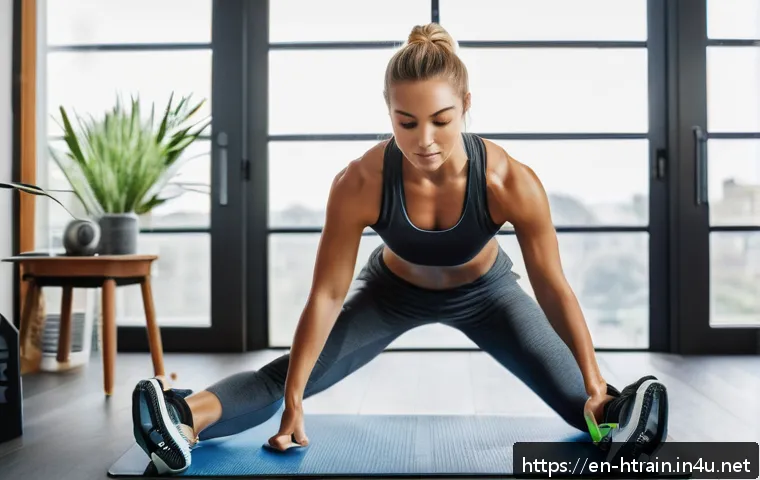
Focus on controlled movements that you can perform comfortably and regularly. Mobility and balance work can support daily function, especially when included consistently rather than saved for occasional recovery days. If a movement causes persistent pain, it needs reassessment.
Choosing the Right Home Workout Setup
Match equipment to space, budget, and training goal
Compare options based on space, budget, progression, and accountability. Bodyweight training may be enough if you want a low-cost, flexible routine. Bands may fit a small-space setup. Adjustable dumbbells can be worth considering when strength progression is a priority. An app or coach may be more useful than equipment if planning and consistency are the actual problems.
Know when free workouts are enough
Free workouts are enough when they provide safe, understandable exercise options and you can create a regular progression plan from them. You do not need a paid subscription simply because you are training at home. Spend only when a tool solves a specific issue you have identified.
Signs that a structured program or qualified coach may add value
A structured program may help if you repeatedly stop because you do not know what to do next. A qualified coach may be worth considering if you need individualized feedback, help adapting a routine, or stronger accountability. Check the official details for program structure, coaching access, equipment requirements, and cancellation terms before choosing a paid home fitness service.
Selection Criteria and Comparison Summary
Before choosing a home workout setup, check these points:
- Goal: Do you mainly want general fitness, strength, mobility, or more accountability?
- Progression: Can the routine become more challenging without unsafe jumps?
- Space: Can you store and use the equipment comfortably at home?
- Consistency: Would reminders, tracking, or coaching help you follow through?
- Recovery: Does the schedule leave room to recover rather than forcing daily intensity?
For equipment, workout apps, recovery tools, or online coaching, review the official product details and service conditions to see whether they match your space, training goal, and preferred level of support.
In Closing
Home workouts can create meaningful long-term changes when they are practiced regularly and adjusted as your fitness improves. The location matters far less than exercise selection, effort, progression, and recovery. Start with the simplest setup you can use consistently, then upgrade only when you can identify what is missing. A routine that fits your real life is more valuable than an ideal plan you cannot sustain.
Useful Things to Know
1. Better performance can be progress even when the scale barely changes.
2. More equipment is not always better; a clear progression plan matters more.
3. Recovery is part of training, not time lost.
4. Tracking workouts can reveal progress that appearance-based checks miss.
Important Notes
Individual results and visible timelines vary based on baseline fitness, health status, nutrition, sleep, stress, and program design. This information cannot determine whether a specific plan is safe for an injury, chronic condition, pregnancy, or unexplained symptoms. Seek individualized guidance when those factors apply, and do not continue an exercise that causes sharp or persistent pain.
Frequently Asked Questions
Q1. How long does it take to see changes from working out at home?
A1. The timeline varies. Early changes may appear as better exercise tolerance, coordination, confidence, or day-to-day function, while visible body-composition changes often depend on many factors beyond workouts. Track performance and consistency instead of relying only on appearance.
Q2. Can home workouts build muscle without expensive equipment?
A2. Home workouts can support strength and help preserve lean mass when resistance training includes enough effort and progressive overload. Bodyweight exercises may be sufficient for some people, while resistance bands or adjustable weights can provide additional ways to increase difficulty. Expensive equipment is not required, but progression is important.
Q3. Is a fitness app or online coach worth paying for when starting a home workout routine?
A3. It can be worthwhile if you need structure, workout planning, feedback, or accountability. It may be unnecessary if you can already follow a well-designed no-equipment routine consistently and progress it over time. Compare the program’s guidance, progression features, support level, and terms before paying.