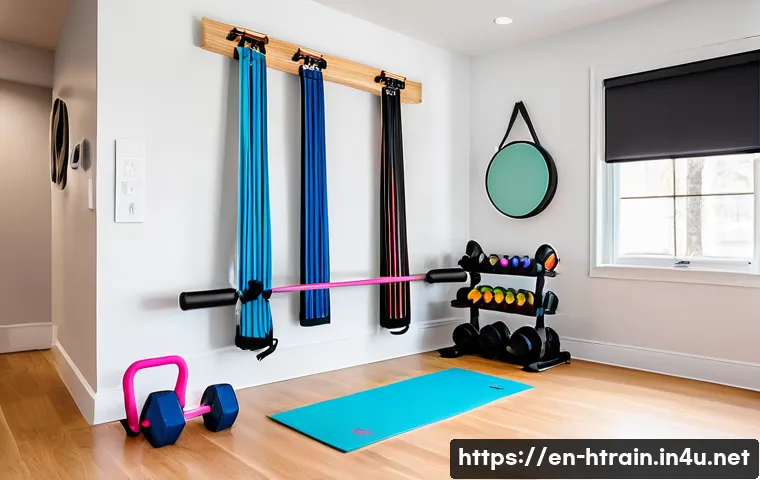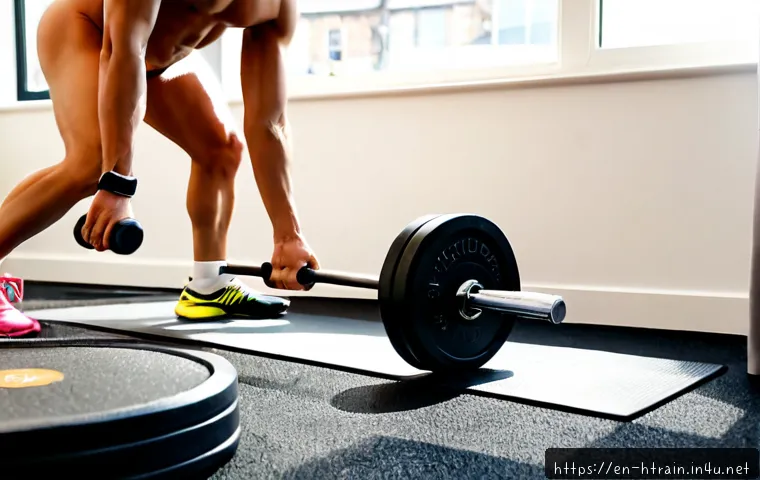
A safe home barbell setup starts with a stable, level surface, clear lifting space, a bar, compatible plates, and suitable collars. A rack with adjustable safety arms becomes a worthwhile purchase when you plan to squat or bench press alone and want more control over failed lifts.
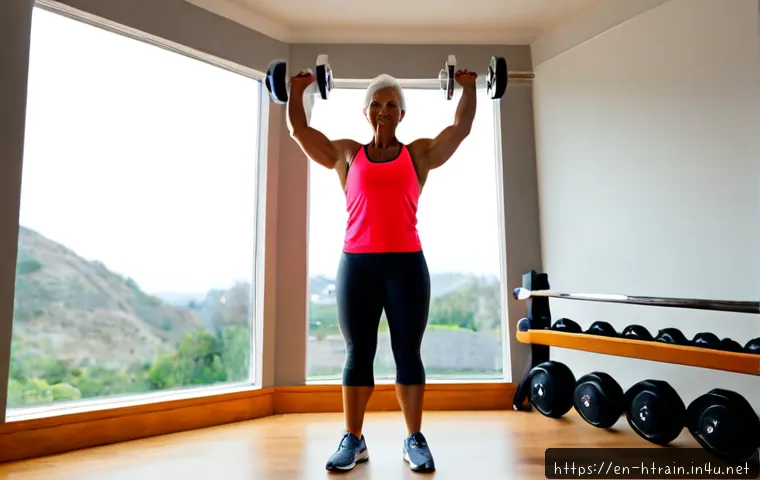
Start with the smallest setup that supports the movements you will actually perform consistently. Compare usable space, safety features, equipment compatibility, and the full setup cost before choosing a basic barbell kit or a rack-based home gym.
If you are new to lifting, learning the movement patterns with an unloaded bar, lighter weights, or alternative equipment is a sensible first step.
At a Glance
- A basic home barbell setup needs a stable floor, clear space, secured plates, and suitable collars.
- A power rack with adjustable safety arms adds meaningful safety for many solo squat and bench press sessions.
- Buy for your available room and current routine first; add plates, a bench, or larger equipment after training becomes consistent.
| Setup Type | Best Fit | Key Advantages | Important Limits to Check |
|---|---|---|---|
| Basic barbell and plates | Floor-based lifting, rows, hinges, and pulling movements | Lower initial equipment commitment and straightforward storage | Fewer options for safely setting up solo squats and bench presses |
| Barbell, adjustable bench, and rack | Regular strength training with squats, presses, and progressive loading | More exercise versatility and adjustable safety arms | Requires more floor space, overhead clearance, and equipment planning |
| Compact adjustable-weight alternative | Limited rooms, apartments, or shared spaces | Potentially easier storage and a smaller training footprint | May not replace every barbell movement or loading option |
What You Need to Start Training With a Barbell at Home
You do not need a complete commercial-style gym to begin home barbell training. You do need a setup that stays stable, gives you room to move, and lets you secure plates properly. Start by identifying the movements you intend to practice rather than buying equipment for every possible exercise.
The Minimum Setup for Basic Pulling, Rowing, and Floor-Based Lifting
For basic pulling, rowing, deadlifts, and hip-hinge practice, the essential items are a barbell, compatible weight plates, and suitable collars. The collars matter because plates should be secured before lifting. Your training surface should be level and stable so equipment does not shift unexpectedly during setup or movement.
Clear floor area is equally important. You need enough room around the bar to load it, stand in a balanced position, and move without hitting furniture, walls, or stored items. Check overhead clearance as well if your planned movement includes lifting the bar upward.
When a Barbell Alone Is Not Enough for Safe Solo Sessions
A barbell on the floor can work well for certain movements, but it does not automatically create a safe solo setup for every exercise. Squats and bench presses may require a way to position the bar and manage a failed repetition. A rack with adjustable safety arms can provide a safer working environment for many solo sessions because the safety arms can be set for the movement being performed.
If a rack is not available, do not assume that every rack-based exercise is appropriate for your space or situation. Choose movements and loading that you can control, and avoid trying to test maximum lifts when you are alone.
Three-Line Starter Recommendation by Space and Experience Level
- Small room or shared space: prioritize compact storage, stable flooring, collars, and movements that can be performed safely with clear floor space.
- New to barbell training: begin with an unloaded bar, lighter weights, or alternative equipment while learning squat, hinge, push, and pull patterns.
- Dedicated training area: consider a rack and adjustable bench if solo squats and bench presses will be regular parts of your routine.
Compare Home Gym Setups Before You Buy
The best home gym equipment is not always the biggest package. A practical comparison looks at safety, space, intended exercises, and whether the equipment can grow with your training. A basic barbell set may be enough now, while a rack-and-bench setup may offer better long-term value for someone training consistently.
Basic Barbell and Plates: Lower Upfront Cost, Fewer Exercise Options
A basic barbell and plate combination is a direct route into compound strength movements such as rows, deadlifts, hip hinges, and floor-based lifting. It can also be easier to store than a rack-based setup. This option is often most sensible when your routine centers on movements that begin from the floor and when room dimensions limit larger equipment.
The trade-off is that a barbell alone provides fewer controlled setup options for solo squats and bench presses. Before choosing a basic barbell kit, confirm that the bar, plates, and collars are compatible and that the training area remains clear after the equipment is stored.
Barbell, Adjustable Bench, and Rack: Greater Versatility and Safety
A rack-and-bench setup can make a home strength routine more versatile. Adjustable safety arms can be particularly valuable for solo work, while an adjustable bench expands pressing options. This route makes more sense when you have a dedicated area, plan to train regularly, and want an organized way to progress through barbell movements.
Do not compare racks by appearance alone. Review dimensions, load capacity, bar compatibility, safety-arm adjustment, build quality, and warranty terms for the specific model. These details vary by product and should be confirmed directly before purchase.
Compact Alternatives for Limited Rooms, Apartments, and Shared Spaces
Compact adjustable-weight equipment can be useful when a full-length barbell and rack would dominate the room. It may support general strength work while reducing storage demands. This does not mean it duplicates every barbell exercise or loading option, but it can be a practical bridge for people who need a flexible training footprint.
For apartments and shared homes, consider where equipment will be stored between sessions and whether the floor remains stable during use. A compact solution is only helpful if it can be set up and put away without creating obstacles or unstable storage.
Cost Categories to Include Beyond the Bar and Weight Plates
When comparing total setup cost, look beyond the barbell set itself. Your list may include collars, a stable training surface or flooring, storage, a bench, a rack, and coaching support. A rack may provide more value than additional plates if it makes your planned solo sessions safer. In another situation, improving the floor surface or getting help with movement technique may be more useful than buying more equipment immediately.
A Beginner-Friendly Home Barbell Workout Structure
A simple routine is easier to repeat and evaluate. Build sessions around broad movement patterns rather than trying to fit every exercise into every workout. Keep the focus on controlled movement and consistent practice before making loading more demanding.
Build Sessions Around Squat, Hinge, Push, Pull, and Carry Patterns
Barbells can be used for compound movements including squats, presses, rows, deadlifts, and hip hinges. These movements cover key squat, push, pull, and hinge patterns. A carry pattern can be included when you have appropriate equipment, sufficient clear space, and a setup you can control safely.
For beginners, an unloaded bar or lighter load can help make the movement pattern easier to learn. If a barbell movement does not feel controlled, use a lighter option or an alternative piece of equipment rather than increasing the load.
Example Full-Body Schedule for Two or Three Days Per Week
A two-day structure can alternate between a squat-and-push emphasis and a hinge-and-pull emphasis. A three-day structure can rotate those same patterns so that each session remains focused and manageable. For example, one session may include a squat pattern, a press, and a row; another may include a deadlift or hip hinge, a pull, and a controlled accessory movement.
The exact exercise selection depends on your experience, mobility, available equipment, and training area. Keep enough recovery and avoid adding movements simply because a new piece of equipment is available.
How to Increase Load Without Sacrificing Technique
Progressive overload does not only mean adding weight. It can involve gradually changing training load, repetitions, sets, range of motion, or training quality over time. Choose one change at a time and keep movement control as the priority.
If bar path, balance, or setup becomes unreliable, hold the current level or reduce the difficulty. Gradual progress is more useful than forcing a heavier load before the movement is ready.

Safety Checks and Common Home Training Mistakes
Home lifting is more reliable when safety checks become routine. A quick setup review before every session can prevent avoidable problems, especially when no training partner is present.
Set Safety Arms, Collars, and Lifting Area Before Every Session
Before lifting, check that the floor is level, the bar is loaded as intended, and the plates are secured with suitable collars. If you are using a rack, set the safety arms for the specific movement rather than leaving them at a random height. Clear the immediate area so you can step, lower the bar, and exit the lifting position without obstacles.
Avoid Testing Maximum Lifts When Training Alone
Training alone calls for conservative decisions. Avoid testing maximum lifts, especially when the movement depends on a rack or bench setup that you have not verified. Use controlled loads and a setup that gives you room to manage the bar safely.
Mistakes With Floor Protection, Ceiling Clearance, and Unstable Storage
Floor planning is not just about protecting a room. A stable, level surface helps reduce unwanted movement of equipment during lifting. Check ceiling height for any intended overhead movement, and do not store plates or bars where they can shift, block walkways, or create a trip hazard.
Measure your usable area rather than estimating it. The right footprint includes room for the bar, the movement itself, loading plates, and safely moving around the equipment.
When Pain, Poor Control, or Uncertainty Calls for Professional Guidance
Do not treat pain, poor control, or uncertainty as something to solve by simply adding more weight or repeating the movement. If you are unsure about technique, appropriate exercise selection, or whether a movement suits your condition, seek qualified professional guidance. Individual injury history, mobility limitations, and medical considerations need personal assessment.
Match the Equipment to Your Training Space and Goals
Your home gym should match the way you train, not an idealized equipment list. A compact routine can be highly useful when it fits your room and is easy to use regularly. A larger setup earns its space when its safety and versatility support your actual training habits.
Small-Space Priorities: Storage, Noise Reduction, and Compact Loading
In a small room, start with storage and clear access. Make sure plates, collars, and the bar can be stored securely without blocking everyday movement. Choose equipment only after checking the full setup footprint, including loading space and the room needed to use the bar safely.
Strength-Focused Priorities: Rack Capacity, Bar Compatibility, and Plate Growth
For strength-focused training, a rack may be a stronger long-term purchase than extra plates alone. Compare rack capacity, safety features, bar compatibility, and whether the system can accommodate future plate additions. Verify the specifications and warranty for each product instead of assuming that similar-looking equipment performs the same way.
General Fitness Priorities: Versatile Movements Without Overbuying
For general fitness, prioritize a manageable selection of movements: squat, hinge, push, and pull patterns can create a balanced foundation. You may not need a large rack, extensive plate collection, or multiple specialty items at the start. Consistent training on a stable setup is more valuable than owning equipment that does not fit your routine or room.
Selection Criteria and Comparison Summary
Before choosing a home barbell set, rack, bench, or adjustable-weight alternative, check these decision points:
- Usable space: Measure clear floor area, storage space, and overhead clearance for your intended movements.
- Safety features: Confirm collar compatibility and, for solo squats or bench pressing, consider adjustable safety arms.
- Load capacity: Review the stated capacity and compatibility details for the specific bar, rack, bench, and accessories.
- Training frequency: A compact kit may be enough for occasional floor-based lifting; frequent strength work may justify a rack-and-bench setup.
- Warranty and build details: Read the product-specific warranty, dimensions, and construction information before comparing value.
- Total setup cost: Include collars, flooring or surface needs, storage, bench, rack, and possible coaching support—not only the bar and plates.
When comparing home gym equipment, review the official product page for dimensions, safety information, compatibility, capacity, and warranty conditions before making a final choice.
In Closing
Home barbell training can be simple, effective, and practical when the setup matches your space and experience. Start with stable flooring, clear room to move, and secure plate loading. Add a rack and adjustable bench when they improve the safety and usefulness of the sessions you actually plan to do. The best upgrade is often the one that makes consistent, controlled training easier.
Useful Things to Know
First: An unloaded bar, lighter weights, or alternative equipment can help beginners learn movement patterns before increasing load.
Second: Progressive overload can involve changes in load, repetitions, sets, range of motion, or training quality.
Third: A rack is not automatically necessary for every barbell exercise, but adjustable safety arms can be valuable for many solo squat and bench press sessions.
Important Considerations
Individual needs vary based on training experience, injury history, mobility, room dimensions, ceiling height, and budget. Confirm the dimensions, capacity, build quality, compatibility, and warranty of any specific barbell, rack, bench, or plate set before buying. If you have pain, poor control, or uncertainty about exercise suitability, seek qualified professional guidance.
Frequently Asked Questions
Q1. What is the safest barbell setup for a beginner working out alone at home?
A1. A safe starting point includes a stable, level surface, enough clear floor area, compatible plates secured with suitable collars, and conservative load progression. For many solo squat and bench press sessions, a rack with adjustable safety arms can provide a safer setup. Beginners may also benefit from practicing with an unloaded bar, lighter weights, or alternative equipment before increasing load.
Q2. How much does a practical home barbell setup usually cost in the United States?
A2. The total cost varies by the barbell, plates, collars, flooring, storage, bench, rack, product capacity, and warranty terms you choose. Rather than relying on one general figure, compare the full setup cost for the equipment that fits your space and intended movements. Include safety-related items and not just the bar and weight plates.
Q3. Do I need a power rack for home barbell workouts, or can I start with just a bar and plates?
A3. You can start with a bar and plates for controlled floor-based lifting, rows, deadlifts, and hip-hinge work if you have a stable surface, clear space, and suitable collars. A power rack becomes more useful when you want to perform solo squats or bench presses with adjustable safety arms. Choose based on your planned exercises, available space, and ability to set up safely.