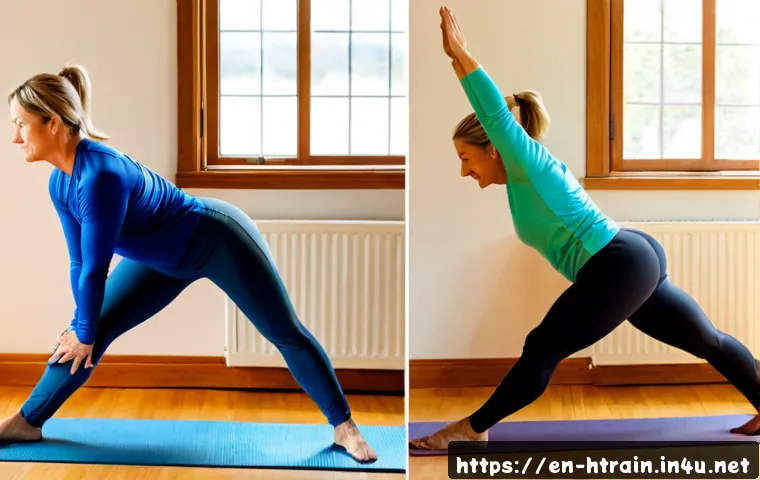
Start with 3–5 weekly sessions, combine strength and cardio, and keep at least one recovery-focused day. A practical home workout plan is one you can repeat for several weeks, not the most demanding schedule you can imagine.
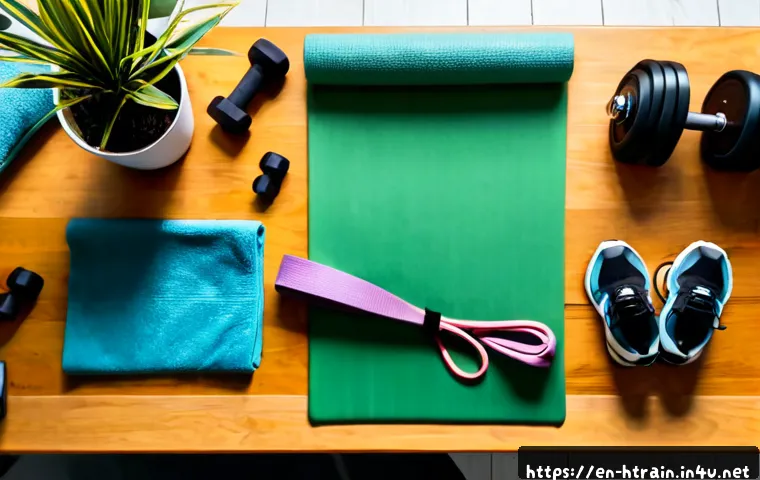
Bodyweight training is enough to begin, while resistance bands, dumbbells, and workout apps can add variety or structure when they solve a real problem for you.
Choose your weekly frequency based on your available time, current fitness level, and how well you recover between sessions. If you have injuries, a health condition, or medication considerations, check which movements are appropriate before starting.
The aim is steady progress through small increases in reps, resistance, sets, range of motion, or exercise difficulty.
At a Glance
- Start with 3–5 weekly sessions and include both aerobic and muscle-strengthening activity.
- Use strength days, cardio days, mobility work, and at least one recovery-focused day to make the plan sustainable.
- Choose bodyweight, basic home fitness equipment, or a workout app based on your space, budget, and need for guidance.
| Setup | Cost Approach | Space Needs | Best Use Case | Progression Options |
|---|---|---|---|---|
| Bodyweight-only | No equipment purchase required | Very little space | Starting a routine or training while traveling | More repetitions, sets, range of motion, slower tempo, harder variations |
| Resistance bands and dumbbells | Equipment purchase; compare features and long-term use | Small storage area | Adding resistance and exercise variety at home | More resistance, different band tension, added sets, wider exercise selection |
| App-guided plan | May involve a subscription | Depends on the workouts selected | People who want scheduling prompts, demonstrations, or accountability | Program progression may be built into the selected plan |
A Simple Weekly Structure for Training at Home
A balanced home workout schedule does not need a different hard workout every day. The basic goal is to make room for strength training, aerobic activity, mobility, and recovery. Adults are commonly advised to include regular aerobic activity and muscle-strengthening activity on two or more days each week. Your exact plan can be simpler or more involved depending on your starting point.
The Balanced 7-Day Template: Strength, Cardio, Mobility, and Recovery
One flexible template is strength on two or three days, cardio on one or two days, mobility work on one or two days, and a recovery-focused day. For example, place a strength session on Monday, cardio on Tuesday, strength on Thursday, and a lighter mobility or walking session on Saturday. The remaining days can be rest days or easy movement days. Avoid treating every available day as a high-intensity day, especially when the exercises are new.
How Many Workout Days Are Realistic for Your Starting Point
If you are new to home training or returning after a long break, three sessions per week is often easier to maintain than a daily plan. A person with a stable routine may prefer four or five sessions, provided recovery remains manageable. More sessions are not automatically better. A schedule that fits your work, family, sleep, and energy patterns is more useful than a perfect-looking plan that gets skipped after one week.
Three-Line Quick-Start Plan for a Busy Week
- Day 1: Full-body strength using bodyweight movements or available resistance.
- Day 2: Cardio or brisk movement, followed by simple mobility work.
- Day 3: Full-body strength, using a slightly different exercise selection if needed.
Keep at least one day focused on recovery. If a planned session is missed, move it to another day rather than trying to double the workload in one workout.
Choose a Routine Based on Your Goal and Available Time
Your goal changes the emphasis of a weekly fitness schedule, but it does not remove the need for recovery. Strength, general conditioning, mobility, and weight-management goals can all use a similar structure. The difference is how you prioritize sessions and gradually increase difficulty.
Fat Loss, General Fitness, Strength, and Mobility: What Changes in the Plan
For general fitness, combine regular cardio with strength work on two or more days. For a strength-focused plan, make resistance sessions the priority and use cardio in a way that does not leave you unable to recover. For mobility, include controlled movement and range-of-motion work more frequently, while keeping strengthening work appropriate to your ability. For weight-management goals, avoid relying on an extreme workout schedule; consistency is more practical than an exhausting routine that ends quickly.
20-Minute, 30-Minute, and 45-Minute Session Options
A 20-minute session can focus on a few movements and a short cardio block. A 30-minute session gives more room for a warm-up, strength work, and mobility. A 45-minute session may suit people who want more sets, more exercise variety, or a separate cardio section. The best duration is the one you can complete safely and repeat. Short sessions still count when they are part of a consistent weekly plan.
How to Increase Difficulty Without Adding More Workout Days
Progressive overload does not require adding another workout day. You can gradually add repetitions, resistance, sets, range of motion, or a more challenging variation. You might also slow down a controlled movement or improve exercise form before increasing resistance. Change one element at a time so you can judge whether the added difficulty still allows adequate recovery.
Bodyweight, Basic Equipment, or a Fitness App: Which Offers the Best Value?
The best-value setup is the one you will genuinely use. Bodyweight movements can support strength and conditioning without a home gym. Basic equipment can broaden your choices, while a paid fitness app or remote coach may be useful when structure and accountability are the missing pieces.
Comparison: Cost, Space, Flexibility, and Progression Options
Bodyweight routines are usually the simplest option for limited space and uncertain schedules. Resistance bands can offer portable resistance, and dumbbells can expand common strength-training options. Adjustable equipment may be worth considering if storage is limited and you expect to use different resistance levels over time. Before buying home fitness equipment, compare storage needs, adjustment method, exercise compatibility, and whether it supports your next stage of training.
When Resistance Bands, Adjustable Dumbbells, or a Mat Can Be Worthwhile
A mat can make floor-based movement more comfortable. Resistance bands can be useful when you want resistance without dedicating much space to equipment. Adjustable dumbbells may suit people who want multiple resistance options without storing many separate items. None of these purchases are mandatory at the start. Buy equipment when it removes a repeated limitation, not simply because it looks like a complete home gym setup.
When a Paid Workout App or Remote Coach May Help With Accountability
A workout app may help if you struggle to decide what to do each day, want exercise demonstrations, or prefer reminders and a guided weekly fitness schedule. Remote coaching may be useful for people seeking more individual feedback, but suitability depends on the coach, your health history, and your goals. Check whether an app’s coaching style fits your schedule, whether it offers sessions at your preferred length, and whether its equipment requirements match what you own.
How to Schedule Sessions Without Burning Out
A home workout plan should make recovery easier, not turn every day into a test. Arrange challenging sessions so the same areas are not repeatedly pushed without a break. This matters even more when you are unfamiliar with an exercise or returning after time away.

Pairing Muscle Groups and Avoiding Repeated High-Intensity Days
Full-body strength sessions on nonconsecutive days are a straightforward option for many people. If you prefer separate training days, avoid placing demanding sessions for the same muscle groups back to back. Cardio intensity also matters: a hard cardio session followed by another demanding workout may be harder to recover from than expected. Use lighter mobility work, walking, or rest between harder days when needed.
Recovery Signs to Watch For: Fatigue, Soreness, and Declining Performance
Pay attention to persistent fatigue, soreness that makes normal movement difficult, or a noticeable drop in your ability to complete usual sessions. These can be signals to reduce training difficulty, add recovery time, or review your schedule. Do not assume you need more motivation when the actual issue may be too much training stress. Exercise form and your individual health situation also affect what is appropriate.
Common Planning Mistakes That Make a Routine Hard to Maintain
- Starting with daily high-intensity workouts when you have not built the habit yet.
- Changing the entire routine every week instead of tracking simple progress.
- Buying equipment before confirming that you enjoy and can schedule home training.
- Ignoring soreness, poor recovery, injury concerns, or medication-related limitations.
- Planning sessions with no backup option for busy days.
Weekly Plan Variations for Real-Life Schedules
Use these as planning frameworks rather than fixed prescriptions. Exercise selection, intensity, and rest needs should reflect your current ability, available equipment, and personal health considerations.
A Three-Day Plan for Beginners and Limited Schedules
Schedule full-body strength on two nonconsecutive days and one cardio or mobility-focused session on another day. This gives you muscle-strengthening work while leaving room for recovery. On busy weeks, this structure is often easier to resume than a plan with many separate workout categories.
A Four-Day Plan for Balanced Strength and Cardio
Use two strength days, one cardio day, and one mobility or lighter conditioning day. Place rest or easy movement between the more demanding sessions. This can work well for people who want variety without turning the entire week into training.
A Five-Day Plan for Experienced Exercisers With Recovery Built In
A five-day structure can include three strength sessions, one cardio session, and one mobility or lighter session. Keep at least one recovery-focused day and adjust the workload if performance declines or fatigue builds. Experienced does not mean recovery is optional; it means you may have a clearer understanding of which training volume you can handle.
Selection Criteria and Comparison Summary Before You Commit
Before you buy home fitness equipment or start a workout app subscription, check the decision points that affect everyday use:
- Budget: Is the purchase solving a real training limitation?
- Storage space: Can the equipment stay accessible rather than hidden away?
- Session length: Does the plan work with the time you actually have?
- Coaching needs: Do you need demonstrations, reminders, or personal feedback?
- Long-term use: Can you make progress with the setup as your routine develops?
Try a bodyweight schedule first if you are unsure. Then compare equipment features before buying, or check whether an app’s coaching style fits your schedule before committing. Official product details and subscription conditions should be reviewed on the relevant provider page.
In Closing
A useful weekly home workout plan is built around repeatable sessions, not maximum effort every day. Begin with a manageable number of sessions, combine strength and cardio, and protect recovery time. Add equipment or guided fitness services only when they make training more practical, more enjoyable, or easier to follow. Review your routine after two to four weeks and make one small adjustment at a time.
Useful Things to Know
1. Bodyweight exercises can support both strength and conditioning.
2. Resistance bands and dumbbells expand exercise options but are not required for a starting plan.
3. Progress can come from more reps, resistance, sets, range of motion, or a harder movement variation.
4. A missed session is usually easier to reschedule than to “make up” by overtraining the next day.
Important Notes
This article cannot determine the right exercises, workload, or schedule for your fitness level, injuries, medical history, medication use, or personal goals. Exact strength gains, calorie use, body-composition changes, and timelines cannot be guaranteed. If movement causes concern or you have a condition that may affect exercise choices, confirm an appropriate plan with a qualified health professional.
Frequently Asked Questions
Q1. How many days a week should I work out at home as a beginner?
A1. Three weekly sessions are a practical starting point for many beginners. Include strength work on at least two days, add aerobic activity during the week, and leave time for recovery. Adjust the plan based on how you feel and how consistently you can complete it.
Q2. Do I need dumbbells or a fitness app to follow a weekly home workout plan?
A2. No. A bodyweight-only routine can support strength and conditioning. Dumbbells or resistance bands may be useful when you want more resistance options, while a fitness app may help if you need structure, demonstrations, or accountability.
Q3. Is it safe to do home workouts every day, or should I schedule rest days?
A3. Recovery time is important, especially when workouts are challenging or unfamiliar. You may choose easy movement or mobility work on some days, but avoid repeating demanding training without considering soreness, fatigue, and your ability to recover.