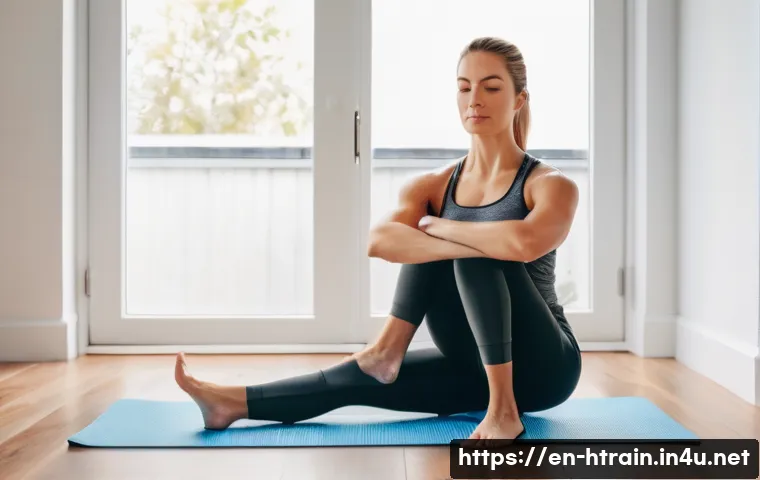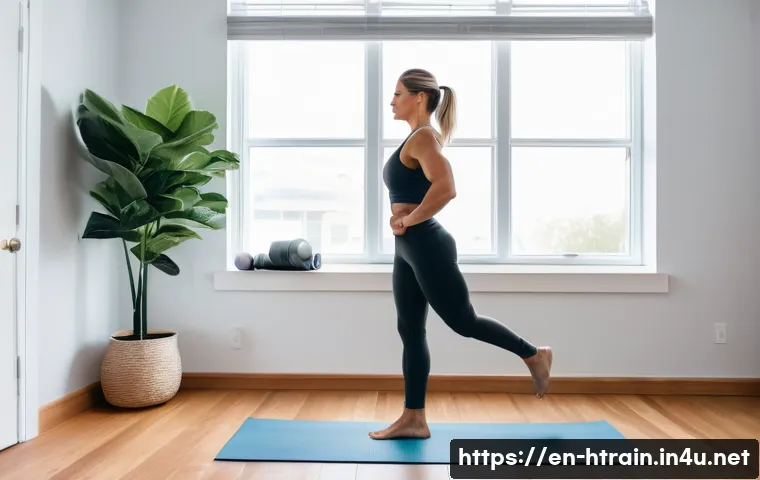
Staying consistent with home workouts can be challenging, but it’s one of the best ways to build lasting health habits without relying on a gym. With the rise of digital fitness platforms and easy-to-follow routines, more people are discovering how to fit effective exercise into their busy lives.
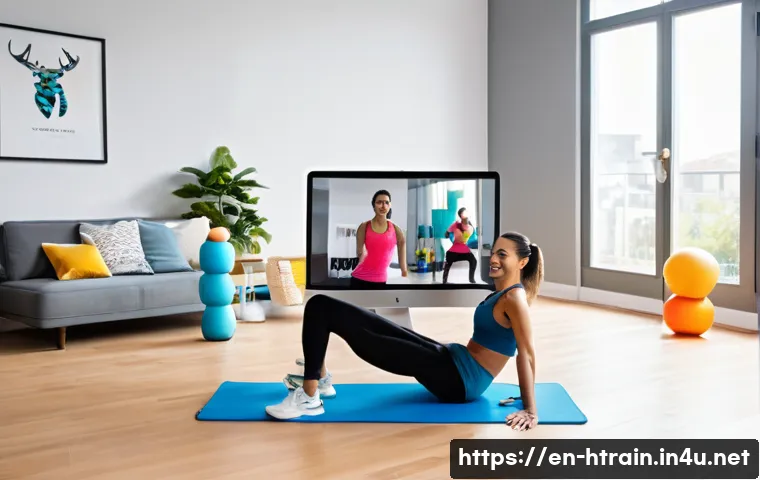
Planning for long-term growth in your home workout routine means setting realistic goals and keeping motivation alive through variety and progress tracking.
I’ve found that mixing up exercises and celebrating small wins keeps me coming back week after week. Let’s dive into the strategies that can help you maintain and grow your home fitness journey for the long haul!
We’ll explore exactly how to make it work for you.
Creating a Sustainable Home Workout Schedule
Finding Your Optimal Workout Frequency
Determining how often to work out at home depends heavily on your lifestyle and fitness goals. For beginners, starting with three days a week can strike a perfect balance between consistency and recovery.
Personally, I found that trying to push for daily workouts right away led to burnout within a few weeks. Instead, spacing workouts throughout the week allowed my body to recover and kept motivation intact.
As your endurance and strength improve, gradually increasing to four or five sessions weekly can accelerate progress without overwhelming your schedule.
It’s crucial to listen to your body and adjust frequency if you notice persistent fatigue or waning enthusiasm.
Scheduling Workouts Around Your Daily Life
One of the biggest challenges in sticking with home workouts is fitting them into an already busy day. I recommend treating your workout time like an important appointment—block it out on your calendar and honor it just like a meeting or doctor’s visit.
Morning workouts can energize you for the day, while evening sessions help release built-up stress. If you have unpredictable days, shorter, high-intensity sessions of 15-20 minutes can keep you on track without feeling like a burden.
Setting reminders or alarms on your phone also helps create a routine that becomes second nature over time.
Building Flexibility Into Your Plan
Rigid workout plans often fail because life is unpredictable. I’ve learned that allowing some wiggle room—whether it’s swapping a workout day or switching to a gentler routine when you feel tired—keeps consistency sustainable.
This flexibility prevents feelings of guilt or frustration when life gets in the way. It also opens up opportunities to explore different types of workouts, from yoga to bodyweight circuits, which can keep boredom at bay and make exercising feel less like a chore.
Keeping Motivation Alive Through Variety
Mixing Different Exercise Styles
Variety is the spice of fitness life. In my experience, mixing strength training, cardio, and mobility exercises keeps every workout fresh and exciting.
One day I might focus on bodyweight squats and push-ups, and the next day switch to jump rope or dynamic stretching. This not only prevents plateaus but also reduces the risk of overuse injuries.
Incorporating different modalities challenges different muscle groups and energy systems, making your routine more well-rounded and enjoyable.
Incorporating Fun and Challenge
Adding playful elements or mini-challenges to your routine can boost engagement. For example, setting a goal to increase your plank hold time by 10 seconds every week or turning workouts into friendly competitions with friends online adds a layer of fun.
I found that when I treated workouts like a game or a puzzle to solve, I looked forward to them rather than dreading them. Even simple rewards like a relaxing stretch session or a favorite healthy snack after a workout serve as motivation boosters.
Using Technology to Enhance Variety
Apps, YouTube channels, and fitness platforms offer an endless supply of workout ideas. I often rely on guided routines to learn new moves and keep my sessions structured.
Many platforms tailor workouts to your fitness level, which helps avoid injury and promotes steady growth. Exploring different instructors and formats online can inspire you to try things you wouldn’t have thought of on your own, like dance cardio or Pilates, which keeps your fitness journey exciting and fresh.
Tracking Progress to Stay Accountable
Why Tracking Matters
Keeping track of your workouts and progress is a game-changer for long-term consistency. I noticed that when I logged my reps, weights, or durations, I became more aware of my improvements and was motivated to keep pushing.
Without tracking, it’s easy to lose sight of how far you’ve come, which can lead to frustration and quitting. Progress can be measured in many ways—strength gains, endurance improvements, or simply how your clothes fit.
Simple Tools for Tracking at Home
You don’t need fancy gadgets to monitor progress. A basic notebook, a spreadsheet, or a smartphone app can do the trick. I personally use a workout journal where I jot down exercises, sets, and how I feel after each session.
Some apps also allow photo comparisons and progress graphs, which visually reinforce your achievements. The key is consistency in logging details and reviewing them weekly to adjust your routine accordingly.
Celebrating Small Wins
Recognizing and celebrating milestones, no matter how small, fuels motivation. I remember the first time I managed 10 consecutive push-ups without stopping—it felt like a huge victory and kept me coming back.
Celebrations can be as simple as marking a checklist, sharing progress with friends, or treating yourself to something enjoyable. These positive reinforcements build a mental reward system that supports your commitment over time.
Designing Workouts That Fit Your Space and Equipment
Maximizing Limited Space
Working out at home often means dealing with limited space. I’ve learned that a little creativity goes a long way. Clearing a small area for movement and using bodyweight exercises like lunges, planks, and burpees can provide a complete workout without needing much room.
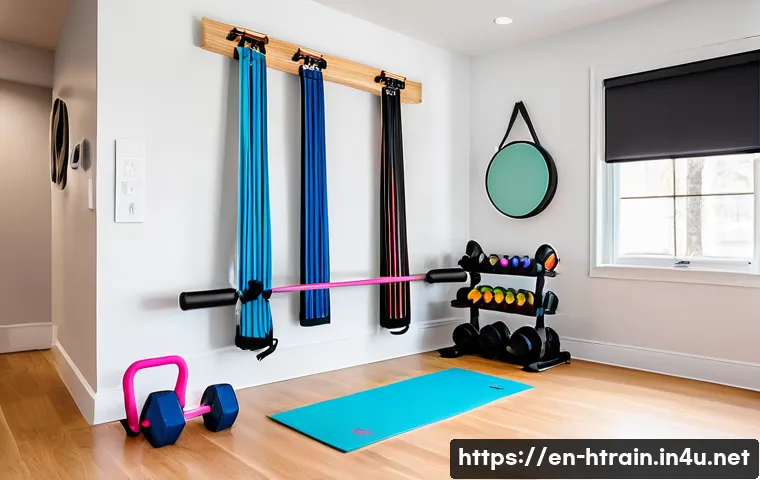
If space allows, a yoga mat and resistance bands add versatility without clutter. Setting up a dedicated workout corner not only helps with focus but also mentally prepares you for exercise.
Choosing Equipment That Matches Your Goals
You don’t have to invest in expensive gym machines to get effective workouts. I started with just resistance bands and a set of dumbbells, which covered most of my strength training needs.

Adjustable dumbbells save space and money, while kettlebells and medicine balls can add variety and functional strength challenges. For cardio, skipping ropes and step platforms are affordable and effective.
Equipment choice should align with your fitness goals and budget to ensure you actually use them consistently.
Adapting Workouts Without Equipment
Sometimes equipment isn’t available or convenient. That’s perfectly okay—bodyweight exercises can build strength, endurance, and flexibility. Push-ups, squats, planks, and glute bridges are staples that I rely on heavily.
You can also use household items, like water bottles for light weights or stairs for cardio intervals. Being resourceful removes barriers and makes it easier to stick with your routine no matter the situation.
Fueling Your Body to Support Home Workouts
Nutrition Basics for Energy and Recovery
Eating well fuels your workouts and speeds recovery. I noticed a huge difference in my energy levels when I started focusing on balanced meals rich in protein, complex carbs, and healthy fats.
Timing meals around workouts—like having a light snack with carbs and protein an hour before exercise—helps sustain energy. Post-workout nutrition is equally important; consuming protein and some carbs within 30 minutes after exercising aids muscle repair and replenishes glycogen stores.
Hydration’s Role in Performance
Staying hydrated often gets overlooked but is vital for consistent performance. I make it a habit to drink water throughout the day and sip during workouts, especially when sweating a lot.
Dehydration can cause fatigue and reduce focus, making workouts feel tougher than they need to be. Adding electrolytes during intense sessions or hot weather can prevent cramps and keep endurance high.
Supplements: Helpful or Hype?
While whole foods should be your primary nutrition source, certain supplements can support your fitness journey. I’ve found that a quality protein powder helps me meet my daily protein goals on busy days.
Creatine and BCAAs have also helped me with strength gains and recovery, though they’re not essential for everyone. It’s best to consult a healthcare professional before starting any supplement, ensuring they align with your individual health needs and goals.
Building a Supportive Environment for Consistency
Engaging Family and Friends
Having a workout buddy or a supportive household makes a huge difference. I often share my goals with close friends, and we encourage each other through messages or occasional joint sessions over video calls.
When family members are involved or at least respect your workout time, it reduces interruptions and builds a positive atmosphere around your fitness efforts.
Creating Visual Reminders and Motivation Boards
Visual cues can keep your goals front and center. I use sticky notes with motivational quotes on my mirror and a whiteboard calendar to track workouts.
Seeing progress and reminders daily serves as a gentle nudge to stay on course. Some people create vision boards with fitness images and goals, which can be surprisingly powerful in maintaining focus and inspiration.
Setting Boundaries for Workout Time
Establishing clear boundaries during your workout helps maintain mental focus and respect from others in your household. I communicate my workout schedule and ask for uninterrupted time, which allows me to fully engage and get the most out of each session.
This boundary-setting also trains your mind to switch into “workout mode,” making the experience more effective and enjoyable.
| Aspect | Tips for Success | Personal Insight |
|---|---|---|
| Workout Frequency | Start with 3 days/week, increase gradually, listen to your body | Gradual increase helped me avoid burnout and stay consistent |
| Variety | Mix strength, cardio, mobility; use different modalities and challenges | Adding dance cardio kept me excited and motivated |
| Progress Tracking | Use journals or apps; celebrate small wins regularly | Logging workouts increased my motivation significantly |
| Space & Equipment | Clear small areas; choose versatile, affordable equipment | Resistance bands and dumbbells covered most of my needs |
| Nutrition | Balanced meals, pre/post workout snacks, stay hydrated | Noticing better energy and recovery after improving nutrition |
| Support System | Workout buddies, visual reminders, set boundaries | Friends’ encouragement helped me stay accountable |
Wrapping Up
Creating a sustainable home workout routine is all about balance, flexibility, and consistency. By tailoring your schedule to fit your lifestyle and mixing up exercises to keep things fresh, you’re more likely to stick with it long-term. Remember, progress takes time, so celebrate small victories and be kind to yourself along the way. With the right mindset and support, home workouts can become a rewarding part of your daily life.
Useful Tips to Keep in Mind
1. Start with manageable workout days and gradually increase frequency to avoid burnout and maintain motivation.
2. Incorporate a variety of exercise styles to challenge different muscle groups and keep workouts engaging.
3. Track your progress consistently using simple tools like journals or apps to stay accountable and motivated.
4. Adapt your workout space and equipment choices based on what fits your environment and goals without overspending.
5. Prioritize balanced nutrition and hydration to fuel your body properly before and after workouts for better results.
Key Takeaways
Consistency is the cornerstone of a successful home workout plan, but it requires flexibility to accommodate life’s unpredictability. Mixing workout types and celebrating small achievements keeps motivation high. Simple tracking methods and a supportive environment boost accountability. Finally, matching your workout setup and nutrition to your personal needs ensures you can maintain your routine effectively and enjoy the journey toward better health.
Frequently Asked Questions (FAQ) 📖
Q: How can I stay motivated to keep up with my home workouts over time?
A: Staying motivated at home can be tough, but what really helped me was setting small, achievable goals instead of aiming for huge leaps right away. Tracking your progress, like noting improvements in reps or how you feel after workouts, gives a real sense of accomplishment.
Also, mixing up your routine with different exercises or fitness apps keeps things fresh and stops boredom from creeping in. Celebrating those little wins—whether it’s completing a full week or mastering a new move—keeps the momentum going.
Remember, consistency beats intensity when building lasting habits.
Q: What are some effective ways to add variety to my home workout routine?
A: Variety is key to both staying engaged and challenging your body in new ways. I like to alternate between strength training, cardio, and flexibility workouts across the week.
You can also switch up equipment—using resistance bands, dumbbells, or just your body weight. Following different online classes or fitness influencers introduces new styles and techniques that keep things interesting.
Even changing your workout time or location within your home can make a big difference. The goal is to prevent routine burnout by keeping your body guessing and your mind curious.
Q: How do I set realistic fitness goals for my home workout plan?
A: Setting realistic goals starts with understanding your current fitness level and lifestyle. I recommend beginning with small, specific targets like “I’ll work out 3 times a week for 20 minutes” rather than vague goals like “get fit.” As you build confidence, gradually increase intensity or frequency.
It’s important to align goals with what feels manageable so you don’t get discouraged. Tracking progress regularly and adjusting your goals based on how you’re feeling helps you stay on course.
Remember, the best goals are those that motivate you without overwhelming you.