Hey there, fitness friends! Let’s be real for a moment. We’ve all been there, right?

That initial burst of motivation, buying all the fancy home gym equipment, downloading every workout app under the sun… only to find ourselves staring at dust bunnies on the treadmill a few weeks later.
The struggle to stay consistent with home workouts is, without a doubt, one of the biggest challenges in our modern, busy lives. Especially with the way things have shifted recently, our homes have become our offices, our schools, and now, our gyms.
But turning that occasional sweat session into a real, lasting habit? That’s the holy grail. I’ve personally wrestled with this beast more times than I can count, constantly searching for that magic formula that sticks.
I’ve tried everything from super strict schedules to “just wing it” approaches, and what I’ve learned through my own trials and errors is that it’s not about willpower; it’s about setting up an environment for success and truly understanding how habits work.
Forget those fleeting New Year’s resolutions that fizzle out by February; we’re talking about building a sustainable, enjoyable routine that transforms your health and your mindset for good.
It’s time to stop feeling guilty about missed workouts and start celebrating consistent effort. If you’re ready to finally crack the code on making home fitness a permanent part of your life, then you’re in the absolute right place.
Let’s dive into exactly how you can transform your home workout routine into an unshakable habit!
## Creating a Home Workout Space You’ll Actually Want to UseLet’s face it: a dingy corner in the basement next to the laundry machine isn’t exactly inspiring.
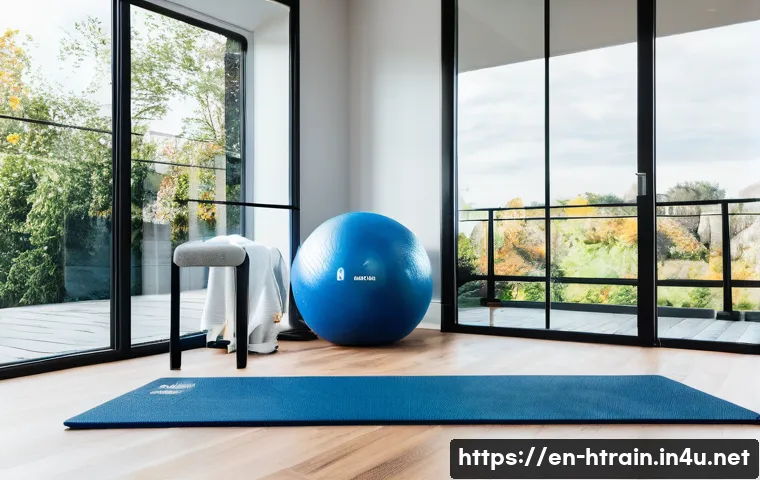
If you want to make home workouts a habit, you need to create a dedicated space that motivates you. I’ve found that dedicating even a small area can make a world of difference.
Define Your Space
Start by identifying a spot in your home that you can dedicate solely to workouts. It doesn’t have to be huge—even a corner of a room can work. The key is to make it distinct and separate from your living or working space.
This helps create a mental association between that area and exercise. In my experience, physically separating your workout zone prevents distractions and sets the tone for a focused session.
Make it Visually Appealing
Nobody wants to spend time in a drab, uninviting space. Brighten up your workout area with good lighting (natural if possible), motivational posters, or even a plant or two.
Personalize it! Add elements that inspire you to move – maybe it’s photos of past hiking trips or a vision board with your fitness goals. I always find that having a clean, organized space instantly boosts my motivation.
Gamify Your Fitness Journey: Make it Fun!
Let’s be honest, sometimes the hardest part is just getting started. Gamification is a fantastic way to trick your brain into enjoying exercise by turning it into a game or a challenge.
I stumbled upon this method when I was struggling to stick to my cardio routine. Suddenly, tracking my steps, earning virtual badges, and competing with friends made running on the treadmill feel less like a chore and more like a quest.
Set Achievable Challenges
Start small! Don’t aim for marathon runner status overnight. Instead, set realistic challenges, like “workout for 20 minutes three times this week” or “add 5 more reps to each set.” Celebrating these small victories builds momentum and keeps you motivated.
I’ve seen countless people (myself included) get discouraged by setting overly ambitious goals, so remember to be kind to yourself and focus on progress, not perfection.
Use Fitness Trackers and Apps
There’s a plethora of amazing apps and wearables that can turn your workouts into interactive games. Many apps offer virtual rewards, badges, and leaderboards to keep you engaged.
I’ve personally been using the Apple Watch for years and I find that closing my rings every day is strangely satisfying.
Schedule Workouts Like Important Appointments
Life gets busy, and it’s easy to let workouts fall by the wayside. One of the most effective strategies I’ve discovered is to treat your workouts as non-negotiable appointments.
Block out time in your calendar, just like you would for a meeting or a doctor’s visit. I can attest that this simple act of scheduling makes a huge difference in consistency.
Set Reminders and Alarms
Use your phone or calendar to set reminders for your workouts. If you’re a morning person, schedule your sweat session first thing, before the day can throw curveballs your way.
If evenings work better, make sure you have a buffer between work and workout time to avoid burnout. I also set multiple alarms to ensure I don’t accidentally skip my workout slot.
Plan Your Week in Advance
Take some time each week to plan your workouts. Decide what exercises you’ll do, what days you’ll do them, and for how long. This prevents decision fatigue and ensures you’re not scrambling for a plan at the last minute.
This is a strategy I personally use every Sunday evening to set myself up for a successful week.
The Power of Accountability: Find Your Tribe
Having someone to keep you accountable can significantly increase your chances of sticking to your home workout routine. It’s much harder to skip a workout when you know someone is expecting you to show up, even if it’s virtually.
I’ve always been a solitary exerciser, but I recently joined a virtual fitness group and I’m amazed at how much more consistent I’ve become.
Workout Buddies (Virtual or In-Person)
Find a friend, family member, or colleague who shares your fitness goals and commit to working out together, either in person or virtually. You can motivate each other, share workout ideas, and celebrate your successes.
My friend Sarah and I have been doing virtual yoga sessions twice a week and it’s been a game-changer.
Join Online Fitness Communities
There are countless online fitness communities where you can connect with like-minded individuals. These groups provide support, encouragement, and a sense of belonging.
I’ve seen firsthand how these communities can inspire people to push themselves harder and stay committed to their goals.
Optimize Your Workout Time: Efficiency is Key
If you’re pressed for time, make the most of your workouts by focusing on high-intensity exercises that deliver maximum results in minimal time. I used to think I needed to spend hours in the gym to see progress, but I’ve since learned that shorter, more intense workouts can be just as effective.
High-Intensity Interval Training (HIIT)
HIIT involves short bursts of intense exercise followed by brief recovery periods. This type of training is incredibly efficient for burning calories and improving cardiovascular health.
I typically do 20-minute HIIT workouts that leave me feeling energized and accomplished.
Compound Exercises
Focus on exercises that work multiple muscle groups simultaneously, such as squats, lunges, push-ups, and rows. These exercises are not only time-efficient but also help build overall strength and fitness.
I always prioritize compound exercises in my workouts because they give me the most bang for my buck.
Track Your Progress and Celebrate Wins
Tracking your progress is essential for staying motivated and seeing how far you’ve come. It’s incredibly rewarding to look back and see the improvements you’ve made over time.
Keep a Workout Journal
Record your workouts, including the exercises you did, the number of reps and sets, and how you felt. This allows you to track your progress and identify areas where you can improve.
I’ve been keeping a workout journal for years and it’s an invaluable tool for staying on track.
Take Progress Photos
Take photos of yourself regularly to track your physical progress. It can be hard to see changes in the mirror, but progress photos provide a visual record of your transformation.
I always encourage my friends to take progress photos because they’re a powerful reminder of how far they’ve come.
Reward Yourself (Strategically)
Finally, don’t forget to reward yourself for your hard work and dedication. But be smart about it! Avoid rewarding yourself with unhealthy food or activities that undermine your fitness goals.
Non-Food Rewards
Treat yourself to a massage, a new workout outfit, or a relaxing bath. These non-food rewards can help you stay motivated without sabotaging your progress.
I personally love treating myself to a new pair of running shoes after hitting a fitness milestone.
Celebrate Milestones
Acknowledge and celebrate your achievements, no matter how small. This could be anything from completing your first 5K to mastering a new exercise. Celebrating your wins reinforces positive behavior and keeps you motivated to continue your fitness journey.
I always make sure to celebrate my milestones, whether it’s with a healthy meal, a fun activity, or a small gift to myself.
| Strategy | Description | Benefits |
|---|---|---|
| Dedicated Workout Space | Create a specific area in your home solely for workouts. | Reduces distractions, creates mental association with exercise. |
| Gamification | Turn workouts into a game with challenges, rewards, and tracking. | Makes exercise more fun and engaging, boosts motivation. |
| Scheduled Workouts | Treat workouts like important appointments in your calendar. | Ensures consistency, prevents workouts from being skipped. |
| Accountability | Find a workout buddy or join a fitness community for support. | Provides motivation, encouragement, and a sense of belonging. |
| Efficient Workouts | Focus on HIIT and compound exercises to maximize results in minimal time. | Saves time, improves cardiovascular health and overall strength. |
| Progress Tracking | Keep a workout journal and take progress photos to monitor improvements. | Provides visual evidence of progress, motivates continued effort. |
| Strategic Rewards | Reward yourself with non-food items and celebrate milestones. | Reinforces positive behavior, maintains motivation. |
Wrapping Up
Whew! We’ve covered a lot, haven’t we? Building a consistent home workout routine isn’t just about the exercises; it’s about crafting an environment and a mindset that truly supports your goals. Remember, this isn’t a sprint, but a deeply rewarding journey. I’ve seen firsthand how these small adjustments can lead to monumental changes in how you feel, look, and approach life. Keep going, keep moving, and most importantly, keep believing in yourself – you’ve got this!
Good-to-Know Info
1. Don’t Underestimate the Power of a Good Playlist: From my personal experience, the right soundtrack can be an absolute game-changer. I used to just put on whatever was trending, but once I started curating playlists specifically for different workout types – upbeat for cardio, more focused for strength – my energy levels and motivation skyrocketed. It’s amazing how a few carefully chosen tracks can push you through those last few reps or minutes. Spend some time building your ultimate workout soundtrack; it’s an investment in your fitness journey that pays dividends every single session. It really does help you get into a rhythm and even forget the exertion for a bit, transforming a tough session into something genuinely enjoyable.
2. Hydration is Your Best Friend (and Often Overlooked): Seriously, you can have the best equipment and the most perfectly planned routine, but if you’re not properly hydrated, you’re leaving a lot on the table. I used to think I drank enough water, but once I started consciously tracking my intake, especially around my workouts, I noticed a significant improvement in my energy, focus, and recovery time. Dehydration can lead to fatigue, muscle cramps, and just overall sluggishness, making every exercise feel harder. Keep a water bottle handy and sip frequently throughout the day, not just during your workout. Your body will thank you, and your performance will noticeably improve. I even set reminders on my phone to ensure I’m getting enough sips throughout the day, and it’s made a huge difference.
3. Listen to Your Body – Rest is Productive: This is something I had to learn the hard way. There was a period where I was pushing myself daily, convinced that “more is always better.” What ended up happening was burnout, increased risk of injury, and a dip in my overall enthusiasm for exercise. Your body needs time to recover and rebuild, and rest days are just as crucial as your active days. Incorporate active recovery like light stretching or walking, and make sure you’re getting enough sleep. I’ve found that a well-rested body performs so much better, allowing for greater intensity and enjoyment during subsequent workouts. Skipping rest days isn’t heroic; it’s counterproductive, and embracing recovery is a sign of truly understanding your fitness journey.
4. The “Workout Sneaker” Rule: Invest in a good pair of shoes that are specifically for your workouts, and only use them for that purpose. It sounds simple, but I’ve personally seen and experienced the difference it makes. Wearing worn-out everyday shoes or shoes that aren’t designed for the type of activity you’re doing can lead to discomfort, poor form, and even injuries like shin splints or knee pain. A dedicated pair of workout shoes offers the right support, cushioning, and stability. Plus, it creates a psychological cue – when you put them on, your mind knows it’s time to get active. Treat your feet well, and they’ll carry you through countless reps and steps with greater comfort and safety, making your home gym experience much more pleasant and sustainable in the long run.
5. Flexibility and Mobility: The Unsung Heroes of Longevity: When I first started working out, I was all about lifting heavy and pushing hard. Stretching and mobility work felt like an afterthought, something I’d skip if I was short on time. Big mistake! Over the years, I’ve realized that incorporating just 10-15 minutes of dynamic stretching before and static stretching after my workouts, along with some dedicated mobility drills, has been transformative. It’s not just about preventing injury; it’s about improving your range of motion, alleviating stiffness, and enhancing overall body awareness. I’ve noticed my squats are deeper, my posture is better, and I feel less creaky after a long day. Don’t let your future self regret neglecting this vital component of a well-rounded fitness routine.
Key Takeaways
To truly embrace home workouts, creating an inspiring, dedicated space is paramount for consistency. Gamifying your fitness journey with trackers and achievable challenges injects fun and motivation, while diligently scheduling workouts like non-negotiable appointments establishes routine. Leverage the power of accountability through workout buddies or online communities, and optimize your limited time with efficient HIIT and compound exercises. Always track your progress to visualize gains, celebrate every win strategically with non-food rewards, and don’t forget the vital roles of hydration, proper footwear, and rest in supporting your long-term success.
Frequently Asked Questions (FAQ) 📖
Q: I’m ready to finally commit, but honestly, where do I even begin to actually start a home workout routine that I’ll stick with, especially when my motivation often feels like it’s on vacation?
A: This hits home for so many of us, myself included! It’s easy to get caught up in the grand vision of a perfect home gym and an hour-long daily sweat session, but that’s often where we trip up.
My personal breakthrough came when I stopped trying to leap and instead decided to crawl. Forget the hour; start with just 10 or 15 minutes. Seriously.
The goal isn’t to shatter a world record on day one; it’s to build a tiny, almost ridiculously easy habit that you can’t say no to. I’ve found that simply putting on my workout clothes, without any pressure to actually exercise, was often enough to get me moving.
It’s like a little trigger. And make your workout space inviting, even if it’s just a corner of your living room with a yoga mat and a water bottle. Clear out the clutter, put on some motivating music, and treat that small space like your personal sanctuary.
It’s about reducing the friction to zero. Once you’ve done that minimal 10 minutes for a few days, you’ll naturally find yourself wanting to do more because you’ve proven to yourself that you can do it.
It’s truly magic how consistency breeds motivation, not the other way around!
Q: Okay, I’ve started, but my biggest problem is staying consistent. Life throws curveballs – unexpected work, family commitments, just being plain tired. How do I keep going without feeling like I’m constantly failing?
A: Oh, my friend, this is the million-dollar question, isn’t it? I’ve been there, staring at my running shoes with a mental list of a thousand reasons not to work out.
The secret I’ve uncovered? It’s not about being perfect; it’s about being resilient and flexible. First off, ditch the all-or-nothing mindset.
If you miss a workout, it’s not a failure; it’s just a blip. The key is to get back on track the very next day, or even later that same day with a shorter session.
I personally keep a “flex workout” up my sleeve – a super quick 15-minute bodyweight routine that I can do anywhere, anytime. If my scheduled 45-minute yoga session goes out the window, I can still get something in.
Another game-changer for me was scheduling my workouts like non-negotiable appointments in my calendar, just like a work meeting. But here’s the twist: also schedule some “flex time” around them.
If morning doesn’t work, can you squeeze in 20 minutes during your lunch break or right after dinner? It’s about adapting, not giving up. Remember, even showing up for 10 minutes is a win, and those wins add up to incredible consistency over time.
Give yourself grace, but also give yourself a clear path back when you stumble.
Q: I understand the importance of consistency, but sometimes home workouts just feel… boring. How can I make them more enjoyable and less like a chore so I actually look forward to them?
A: This is so important, because if it feels like a punishment, you’re absolutely not going to stick with it long-term. I’ve realized that the minute my workouts start feeling like a drag, it’s a sign I need to shake things up!
My number one tip here is to explore and experiment. Are you doing the same YouTube routine every single day? Maybe try a dance workout, a quick HIIT session, or a Pilates class online.
The internet is a treasure trove of variety! I personally love to put on my favorite high-energy music or a really captivating podcast – it totally transforms the experience and makes the time fly by.
Another trick I use is to connect my workout to something I genuinely enjoy. Maybe it’s a specific show you only allow yourself to watch while you’re on the elliptical, or a new outfit you bought that makes you feel amazing when you wear it to sweat.
Also, focus on how your body feels during and after, not just the numbers on a screen. That rush of endorphins, the feeling of strength, the improved mood – those are powerful motivators.
And don’t forget to reward yourself! Not with food, necessarily, but maybe with a luxurious bath, a chapter from a good book, or even just some guilt-free relaxation time.
When you associate positive feelings and experiences with your home workouts, they stop being a chore and become a highlight of your day. Trust me, finding the joy in movement is the ultimate secret weapon for consistency!